

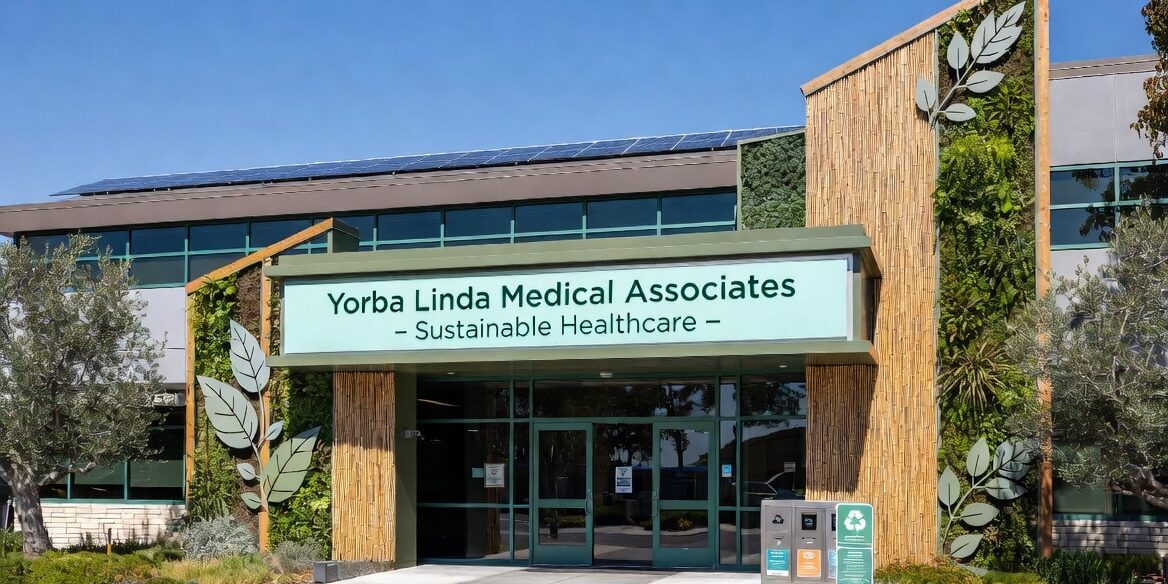
In the heart of Orange County, California, Yorba Linda stands as a vibrant community known for its family-friendly neighborhoods, excellent schools, and commitment to preserving its natural beauty. As residents and businesses alike become increasingly conscious of environmental responsibility, medical offices in Yorba Linda are stepping up to integrate sustainability into every aspect of their operations—including signage and branding. This comprehensive guide explores how medical practices in Yorba Linda and surrounding Orange County areas can implement sustainable practices in their signage and branding strategies, creating environments that not only reflect professional excellence but also demonstrate a genuine commitment to planetary health.
The healthcare sector has a significant environmental footprint, from energy consumption to waste generation. Signage and branding elements, often overlooked in sustainability discussions, play a crucial role in shaping patient perceptions and operational efficiency. By choosing eco-friendly materials, ethical production methods, and energy-efficient technologies, medical offices in Yorba Linda can reduce their carbon emissions while enhancing their brand image as forward-thinking, community-oriented healthcare providers.
Why Sustainability Matters in Medical Office Signage and Branding
Sustainability in signage and branding is no longer a niche trend—it’s a necessity. Patients in Yorba Linda, many of whom value outdoor lifestyles, local parks like Yorba Regional Park, and the area’s rich citrus heritage, expect businesses to align with these values. A 2023 survey by the American Medical Association indicated that over 70% of patients consider a healthcare provider’s environmental practices when choosing where to receive care. In Orange County, where environmental awareness runs high due to coastal conservation efforts and air quality initiatives, medical offices that embrace green branding stand out.
Sustainable signage reduces waste, lowers long-term costs, and minimizes harmful chemical releases. Traditional signage often relies on PVC, vinyl, and solvent-based inks, which contribute to landfill waste and air pollution. In contrast, sustainable alternatives use recycled materials, biodegradable components, and water-based inks that break down harmlessly. For branding, this means creating visual identities that communicate trust, care, and responsibility—values central to healthcare.
Moreover, implementing sustainable practices can lead to regulatory compliance advantages. California’s strict environmental regulations, including SB 1383 on organic waste and various CalRecycle mandates, encourage businesses to adopt circular economy principles. Medical offices in Yorba Linda benefit from local incentives through the Orange County Sustainability Program, which offers resources and potential rebates for green initiatives.
Key Principles of Sustainable Signage and Branding
Before diving into specific implementations, it’s essential to understand the core principles guiding sustainable signage and branding in medical settings:
- Material Selection: Prioritize recycled, recyclable, or rapidly renewable materials.
- Life Cycle Assessment: Evaluate the environmental impact from production to disposal.
- Energy Efficiency: Opt for low-power or passive technologies.
- Ethical Sourcing: Ensure materials come from suppliers with fair labor and environmental standards.
- Modularity and Durability: Design for longevity and easy updates to reduce replacement frequency.
- Minimalism: Use clean designs that reduce material usage without sacrificing clarity or professionalism.
These principles ensure that signage and branding not only look professional but actively contribute to a healthier environment.
Sustainable Materials for Medical Office Signage
Choosing the right materials is the foundation of sustainable signage. Medical offices in Yorba Linda have access to a growing network of local and regional suppliers specializing in eco-friendly options.
Recycled and Recyclable Plastics
High-density polyethylene (HDPE) made from post-consumer recycled content offers excellent durability for indoor and outdoor signage. Unlike virgin plastics, recycled HDPE reduces petroleum dependency and diverts waste from landfills. In Yorba Linda medical offices, exterior wayfinding signs near parking areas or building entrances can utilize HDPE panels that withstand Southern California’s sun and occasional rain while being fully recyclable at end-of-life.
Bamboo and Rapidly Renewable Resources
Bamboo, a fast-growing grass, serves as an ideal substrate for interior signage. It requires minimal water and pesticides compared to traditional woods and sequesters carbon during growth. Local fabricators in Orange County can create elegant bamboo signs with laser-etched or engraved branding elements for reception areas, exam room doors, and directional signage. These pieces bring a natural, calming aesthetic that aligns perfectly with healing environments.
FSC-Certified Wood and Paper-Based Products
For paper-based signage, such as informational posters or menu-style service boards, Forest Stewardship Council (FSC)-certified materials ensure responsible forestry. In Yorba Linda, where community values emphasize preservation, displaying FSC logos on signage subtly communicates environmental stewardship to patients.
Metal Alternatives with Recycled Content
Aluminum signs with high recycled content (up to 95%) provide a sleek, modern look suitable for medical branding. Powder-coated or anodized finishes eliminate the need for harmful solvents. These are particularly effective for large lobby displays or exterior monument signs that project professionalism while being infinitely recyclable.
Biodegradable and Compostable Options
For temporary or seasonal signage, such as promotional banners for health awareness months, biodegradable fabrics derived from cornstarch or organic cotton offer viable alternatives. These materials decompose naturally, avoiding the microplastic pollution common with traditional vinyl banners.
Eco-Friendly Printing and Finishing Techniques
Printing methods significantly impact the environmental footprint of signage and branding.
Water-Based and Vegetable Inks
Switching from solvent-based inks to water-based or soy/vegetable inks reduces volatile organic compound (VOC) emissions, improving indoor air quality—a critical consideration in medical offices where patients may have respiratory sensitivities. In Yorba Linda practices, this choice supports healthier environments for both staff and patients dealing with allergies or asthma common in the region.
UV-Curable and Low-Energy Inks
For digital printing, UV-curable inks that require less energy for curing provide sharp, durable results with minimal waste. Large-format printers available through Orange County vendors can produce high-resolution branding graphics with these eco-friendly formulations.
Digital Printing vs. Traditional Methods
Digital printing eliminates the need for plates and reduces setup waste, making it ideal for smaller runs or frequent updates. Medical offices can easily refresh branding elements, such as COVID-19 protocol signs or wellness program promotions, without generating excess scrap.
Laminate and Coating Alternatives
Instead of plastic laminates, consider matte or satin finishes using water-based coatings or protective films made from recycled PET. These maintain visibility and durability while supporting recyclability.
Energy-Efficient and Smart Signage Solutions
Modern medical offices benefit from integrating technology that reduces energy consumption.
LED and Solar-Powered Illumination
LED backlighting consumes up to 80% less energy than traditional fluorescent or incandescent systems. For exterior signs in Yorba Linda, solar-powered LED options harness abundant Southern California sunshine, eliminating grid dependency for nighttime visibility. Interior channel letters or halo-lit logos can use efficient LED modules with dimming capabilities to match ambient lighting.
E-Paper and Digital Displays
Electronic paper (e-paper) displays, similar to those used in e-readers, offer ultra-low power consumption and excellent readability in bright conditions. These are perfect for updating patient information boards, appointment reminders, or educational content in waiting areas without constant electricity draw.
Smart Sensors and Automation
Integrating motion sensors or scheduling systems ensures lights and displays activate only when needed. In high-traffic medical offices, this technology can significantly cut energy use while maintaining functionality.
Designing Sustainable Branding for Medical Offices
Branding extends beyond signage to encompass the overall visual identity of a medical practice.
Color Psychology and Material Harmony
Sustainable branding in Yorba Linda medical offices should incorporate calming greens and blues—colors evoking nature and trust—while selecting materials that reinforce these themes. Earth-toned palettes paired with natural textures create cohesive designs that feel both professional and eco-conscious.
Minimalist and Timeless Design
Avoid trendy elements that quickly date; opt for clean typography, ample white space, and modular layouts. This approach extends the lifespan of branding materials, reducing replacement needs. For example, a Yorba Linda family practice might use a simple leaf motif integrated into their logo, symbolizing growth and health, rendered in durable, sustainable substrates.
Wayfinding Systems That Educate and Inspire
Sustainable wayfinding goes beyond navigation. Incorporate subtle educational elements, such as facts about local environmental initiatives or the practice’s green commitments, on directional signs. This transforms functional signage into a branding tool that reinforces patient engagement.
Consistent Application Across Touchpoints
Ensure branding consistency from exterior monument signs to interior wall graphics, uniforms, and digital assets. Sustainable practices should apply holistically—using recycled paper for brochures and eco-friendly inks for business cards complements physical signage efforts.
Implementation Strategies for Yorba Linda Medical Offices
Step 1: Conduct a Sustainability Audit
Begin with an assessment of current signage and branding materials. Identify high-impact areas, such as frequently replaced temporary signs or energy-intensive illuminated displays. Local consultants in Orange County can assist with life-cycle analyses tailored to medical environments.
Step 2: Partner with Local Sustainable Suppliers
Yorba Linda and broader Orange County boast several eco-focused fabricators and printers. Seek vendors certified by organizations like the Sustainable Green Printing Partnership or those using renewable energy in production. Proximity reduces transportation emissions, supporting the local economy.
Step 3: Develop a Phased Rollout Plan
Implement changes gradually to manage costs. Start with high-visibility areas like reception and exterior signs, then expand to exam rooms and administrative spaces. Budget for initial investments knowing that durable materials often yield long-term savings through reduced maintenance and replacements.
Step 4: Train Staff and Communicate with Patients
Educate team members on the new sustainable elements and their benefits. Share the story through website updates, social media, and in-office displays. Patients appreciate transparency—certifications like LEED or Green Business Program participation can be proudly displayed on sustainable signs.
Step 5: Monitor, Measure, and Iterate
Track metrics such as waste diversion rates, energy savings, and patient feedback. Use tools like carbon footprint calculators to quantify improvements. Annual reviews ensure ongoing alignment with evolving sustainability standards and technologies.
Case Studies: Sustainable Signage Success in Orange County Healthcare
While specific Yorba Linda examples continue to emerge, several Orange County medical facilities provide inspirational models. A prominent gastroenterology practice in nearby Anaheim transitioned to 100% recycled aluminum signage and LED lighting, reporting a 40% reduction in energy costs for their branding elements and positive patient feedback on the modern, eco-friendly aesthetic.
A pediatric clinic in Fullerton adopted bamboo and FSC-certified wood for interior wayfinding, creating a warm, natural environment that reduced anxiety for young patients. Their branding refresh included vegetable ink-printed materials, aligning with their focus on holistic child health.
In Irvine, a multi-specialty medical group installed solar-powered exterior signs and e-paper digital directories, demonstrating measurable decreases in operational carbon emissions while maintaining 24/7 visibility.
These examples illustrate that sustainable signage and branding not only reduce environmental impact but also enhance patient experience and staff pride in their workplace.
Benefits Beyond Environmental Impact
Implementing sustainability in signage and branding delivers multifaceted advantages for Yorba Linda medical offices:
- Cost Savings: Durable materials and energy-efficient technologies lower long-term expenses. Initial investments often pay for themselves within 3-5 years through reduced utility bills and maintenance.
- Enhanced Brand Reputation: Patients increasingly research providers’ values. Green initiatives position practices as leaders in responsible healthcare, potentially increasing patient retention and referrals.
- Improved Indoor Air Quality: Low-VOC materials and inks create healthier spaces, beneficial for immunocompromised patients and staff.
- Regulatory and Incentive Advantages: Compliance with California green building standards may qualify offices for tax credits or grants through Orange County programs.
- Employee Engagement: Staff report higher satisfaction working in environmentally responsible settings, aiding recruitment in a competitive healthcare job market.
- Community Leadership: Yorba Linda’s strong sense of community benefits when local medical offices model sustainability, inspiring other businesses and residents.
Challenges and Solutions
Transitioning to sustainable signage presents challenges, but practical solutions exist:
Challenge: Higher Upfront Costs Solution: Focus on total cost of ownership. Many sustainable materials offer longer warranties and lower replacement rates. Explore financing options or bulk purchasing through local networks.
Challenge: Limited Material Options for Durability Solution: Advances in technology have narrowed the performance gap. Work with experienced fabricators to test samples in real-world conditions typical of Yorba Linda’s climate.
Challenge: Design Constraints Solution: Collaborate with graphic designers specializing in sustainable branding. Minimalist approaches often yield more elegant, professional results.
Challenge: Supply Chain Verification Solution: Request transparency reports and third-party certifications from suppliers. Join local sustainability groups in Orange County for vetted vendor recommendations.
Challenge: Patient Perception Solution: Communicate changes clearly. Many patients view sustainable practices positively, associating them with innovation and care.
Future Trends in Sustainable Medical Signage
Looking ahead, several innovations will shape sustainable signage and branding in Yorba Linda medical offices:
- Biomaterials and Circular Design: Expect increased use of mycelium-based composites and fully compostable polymers.
- AI-Optimized Production: Artificial intelligence will minimize material waste in custom fabrication.
- Integrated Smart Systems: Signage that doubles as air quality monitors or interactive educational tools.
- Carbon-Negative Materials: Suppliers developing materials that actively remove CO2 from the atmosphere.
- Virtual and Augmented Reality Integration: Reducing physical signage needs through digital alternatives while maintaining branding consistency.
Staying informed through organizations like the Healthcare Without Harm network and local Orange County sustainability forums will help medical practices remain at the forefront.
Conclusion: A Call to Action for Yorba Linda Healthcare Providers
Implementing sustainability in signage and branding represents more than an environmental choice—it’s a strategic decision that aligns medical offices with the values of Yorba Linda residents and broader Orange County communities. By embracing eco-friendly materials, responsible production, and innovative technologies, healthcare providers can create spaces that heal both patients and the planet.
Medical office administrators, practice managers, and physicians in Yorba Linda are encouraged to take the first step today. Conduct an audit, consult with local experts, and begin a phased transition toward sustainable signage and branding. The result will be more than beautiful, functional environments; it will be a powerful statement of commitment to future generations.
As Yorba Linda continues to grow while honoring its heritage of natural beauty and community care, sustainable practices in medical settings will play a vital role in maintaining that balance. Healthcare isn’t just about treating illness—it’s about fostering wellness in every dimension, including environmental health.
For Yorba Linda medical offices ready to lead, the path to sustainable signage and branding offers clear benefits: reduced environmental impact, stronger community connections, operational efficiencies, and a brand that truly reflects the caring, responsible ethos at the heart of medicine.
Start small, think big, and watch as your practice becomes a beacon of sustainability in Orange County’s healthcare landscape.