
In the heart of Southern California’s tech corridor, Yorba Linda in Orange County has emerged as a quiet but significant hub for data center operations. With its strategic location, reliable power infrastructure, and proximity to major metropolitan areas like Los Angeles and Irvine, Yorba Linda offers an ideal environment for high-density computing facilities. However, as the demand for data storage and processing skyrockets globally, data center operators in this region face mounting pressure to align their practices with environmental sustainability goals. One of the most critical yet often overlooked aspects of this transition is implementing sustainability in tenant relations.
Data centers are not solitary fortresses of servers and cooling systems; they are ecosystems where landlords, operators, and tenants (colocation providers, cloud service companies, hyperscalers, and enterprise users) must collaborate closely. Sustainability initiatives succeed only when they are embedded into the fabric of tenant-landlord relationships. This comprehensive guide explores how data center operators in Yorba Linda and similar Orange County locations can integrate sustainable practices into every stage of tenant engagement—from initial leasing and contract negotiations to ongoing operations, reporting, and long-term partnership building.
Why Sustainability Matters in Yorba Linda’s Data Center Landscape
Yorba Linda, nestled in northern Orange County, benefits from California’s progressive environmental policies while contending with the state’s stringent energy regulations and water conservation mandates. The region’s Mediterranean climate, characterized by hot, dry summers and mild winters, presents unique challenges for data center cooling, which traditionally accounts for up to 40% of a facility’s total energy consumption.
California’s aggressive climate targets—aiming for carbon neutrality by 2045—place additional scrutiny on data centers, which are estimated to consume nearly 3% of the state’s electricity. In Orange County, local governments and utilities like Southern California Edison (SCE) have introduced incentives for energy efficiency, renewable energy adoption, and water recycling. For data center operators in Yorba Linda, failing to prioritize sustainability is no longer just an environmental issue; it is a business risk that can affect permitting, power availability, tenant acquisition, and public perception.
Tenants, particularly large hyperscalers and corporate clients with their own net-zero commitments, increasingly demand proof of sustainable operations before signing leases. A 2025 industry survey by Uptime Institute revealed that over 68% of colocation tenants now include sustainability clauses in RFPs, up from 42% in 2022. In competitive markets like Orange County, operators who fail to demonstrate credible sustainability programs risk losing high-value tenants to facilities in neighboring areas or even out-of-state locations with more flexible regulations.
Implementing sustainability in tenant relations is therefore not a compliance checkbox—it is a strategic differentiator that can drive higher occupancy rates, premium pricing for “green” space, and stronger, more resilient partnerships.
Understanding the Tenant-Operator Relationship in Data Centers
Data centers operate on a multi-layered tenancy model. In Yorba Linda facilities, this often includes:
- Wholesale tenants: Large hyperscalers or colocation providers leasing entire halls or significant portions of the building.
- Retail colocation tenants: Smaller enterprises or managed service providers renting individual racks or cages.
- Enterprise tenants: Companies deploying private infrastructure for sensitive workloads.
Each tenant type has different power density requirements, cooling needs, and sustainability expectations. A hyperscaler might demand 100% renewable energy matching and real-time carbon reporting, while a smaller enterprise tenant may prioritize cost-effective PUE (Power Usage Effectiveness) improvements and transparent water usage metrics.
Effective tenant relations begin with recognizing these diverse needs and creating tailored sustainability engagement strategies. Operators in Yorba Linda must move beyond generic “green building” certifications (such as LEED or ISO 14001) and develop tenant-specific sustainability roadmaps that align with both parties’ environmental, social, and governance (ESG) goals.
Key Strategies for Implementing Sustainability in Tenant Relations
1. Embedding Sustainability into Lease Agreements and RFPs
The foundation of sustainable tenant relations is laid during the contracting phase. Forward-thinking data center operators in Yorba Linda are incorporating detailed sustainability provisions into master service agreements (MSAs) and leases. These clauses go far beyond basic energy efficiency requirements and include:
- Renewable Energy Commitments: Tenants can opt for Renewable Energy Certificates (RECs) or virtual power purchase agreements (VPPAs) that match their consumption with solar, wind, or other renewable sources. In Orange County, operators can leverage nearby solar farms in the Inland Empire or SCE’s Green Rate programs.
- Power Usage Effectiveness (PUE) and Water Usage Effectiveness (WUE) Targets: Contracts should specify baseline PUE targets (ideally below 1.3 for modern facilities) and require tenants to collaborate on achieving them through joint optimization efforts. Water usage is particularly critical in drought-prone Southern California, where facilities must demonstrate closed-loop cooling or recycled water systems.
- Carbon Reporting and Scope 3 Emissions: Tenants increasingly request granular data on indirect emissions. Operators should provide monthly or quarterly dashboards showing embodied carbon in construction, operational emissions, and tenant-contributed Scope 3 figures.
- Right-to-Repair and Equipment Recycling Clauses: To reduce e-waste, leases can mandate the use of refurbished hardware or require tenants to participate in take-back programs for decommissioned servers.
In Yorba Linda, several new-build data centers have successfully used these clauses to attract tenants committed to Science-Based Targets initiative (SBTi) compliance. One notable example involves a 2024 lease where a major cloud provider agreed to a 15% premium for a “net-positive energy” wing that included on-site battery storage and solar canopy integration.
2. Collaborative Sustainability Audits and Joint Planning Sessions
Sustainability cannot be imposed unilaterally. Successful operators treat tenants as partners through regular joint sustainability workshops and audits. In the Yorba Linda context, these sessions can address local challenges such as:
- Heat management during Santa Ana wind events, which increase cooling loads.
- Integration with Orange County’s regional water reclamation projects.
- Alignment with California Title 24 building energy efficiency standards.
Operators should establish a Tenant Sustainability Council comprising representatives from major tenants. This council can co-develop key performance indicators (KPIs) such as:
- Annual carbon reduction targets
- Waste diversion rates (aiming for 90%+ landfill diversion)
- Adoption of high-efficiency IT equipment (e.g., liquid cooling-ready servers)
Regular third-party verification through organizations like the Green Grid or ASHRAE ensures credibility and provides tenants with audit-ready reports for their own ESG disclosures.
3. Providing Transparent Real-Time Data and Reporting Tools
Transparency builds trust. Yorba Linda data center operators are increasingly deploying building management systems (BMS) and DCIM (Data Center Infrastructure Management) platforms that offer tenant-specific portals. These portals allow tenants to monitor:
- Their exact power consumption and associated carbon footprint
- Cooling efficiency metrics
- Water consumption per kWh
- Opportunities for demand response participation (earning credits during peak grid events)
Advanced platforms integrate with tenant ESG software, automatically feeding data into frameworks like GRI, SASB, or CDP. In Orange County, where utility rates can fluctuate with time-of-use pricing, such tools enable tenants to shift non-critical workloads to off-peak hours, reducing both costs and grid strain.
One innovative approach used in recent Yorba Linda projects involves “sustainability scorecards” that benchmark tenants against peers within the same facility. Anonymous aggregated data encourages healthy competition while rewarding top performers with recognition or discounted renewal rates.
4. Incentivizing Sustainable Behavior Through Pricing and Rewards
Financial incentives remain one of the most effective ways to drive tenant adoption of sustainable practices. Operators in Yorba Linda can implement tiered pricing models:
- Green Premium Discounts: Tenants achieving verified PUE or WUE improvements receive rebates or reduced power rates.
- Demand Response Bonuses: Participation in SCE’s demand response programs can yield significant credits shared between operator and tenant.
- Renewable Energy Matching Subsidies: Partial coverage of REC costs for tenants committing to long-term leases.
Beyond pricing, non-monetary incentives include priority access to future capacity expansions, co-branded sustainability marketing opportunities, and invitations to exclusive industry events focused on Orange County’s green tech initiatives.
5. Investing in Shared Sustainable Infrastructure
Sustainability in tenant relations is strengthened when operators invest in infrastructure that benefits all parties. In Yorba Linda, this includes:
- Advanced Cooling Technologies: Transitioning from traditional CRAC units to liquid cooling, immersion cooling, or free-air economizers where feasible. Shared chilled water loops allow tenants to benefit from economies of scale.
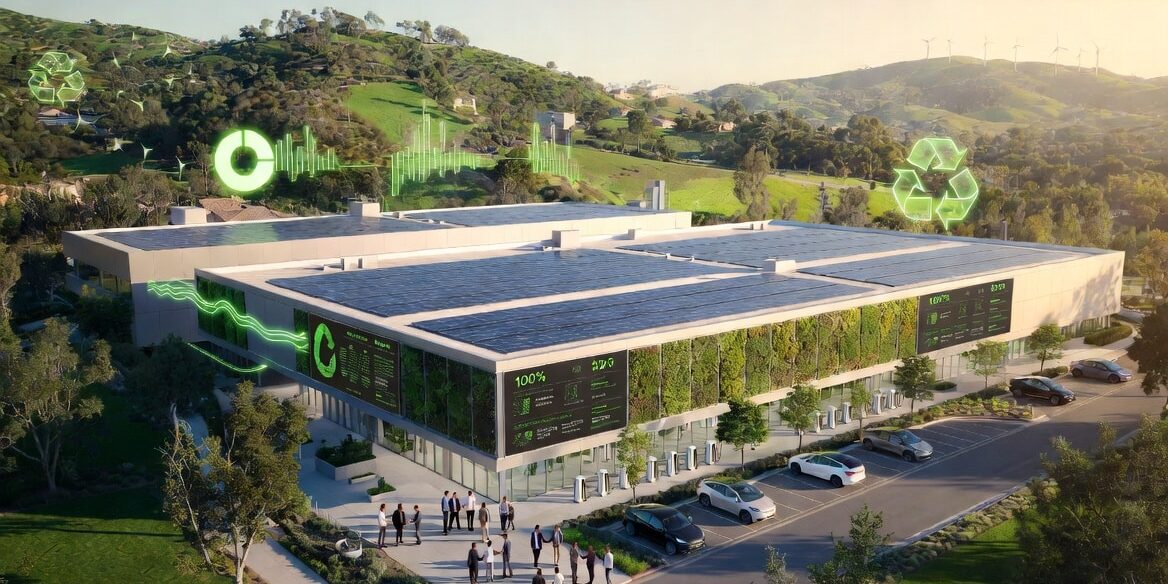
- On-Site Renewable Generation: Rooftop or ground-mounted solar arrays, supplemented by battery energy storage systems (BESS) to manage intermittent generation and provide backup power.
- Water Recycling Systems: Greywater treatment and rainwater harvesting integrated into facility design, reducing reliance on imported water from the Colorado River.
- Waste Heat Recovery: Capturing server exhaust heat for potential district heating applications or absorption cooling, though this remains challenging in Southern California’s mild climate.
When tenants see tangible investments in shared infrastructure, they are more likely to view sustainability as a collective responsibility rather than a landlord-imposed cost.
6. Education, Training, and Capacity Building
Many tenants possess strong sustainability ambitions but lack specialized data center expertise. Operators can bridge this gap by offering:
- Regular training webinars on topics like optimizing server utilization to reduce energy waste.
- On-site sustainability tours highlighting Yorba Linda-specific innovations, such as integration with local microgrid projects.
- Access to technical resources, including white papers on California-specific compliance and case studies from peer facilities in Irvine or Anaheim.
By positioning themselves as sustainability educators, operators foster deeper loyalty and position their facilities as centers of excellence in Orange County’s data center market.
Challenges Specific to Yorba Linda and Orange County
Implementing sustainability in tenant relations is not without hurdles. Yorba Linda’s suburban setting presents unique constraints:
- Power Capacity Limitations: Southern California Edison’s grid faces congestion, with new data center projects often requiring years of interconnection studies. Operators must work collaboratively with tenants on load-shedding protocols and efficiency measures to maximize existing allocations.
- Water Scarcity: Orange County’s reliance on imported water makes WUE a critical metric. Tenants may resist aggressive water-saving targets if they impact equipment reliability.
- Regulatory Complexity: Overlapping requirements from the California Energy Commission, South Coast Air Quality Management District, and local Yorba Linda planning commissions demand careful navigation.
- Tenant Diversity: Balancing the needs of hyperscalers demanding cutting-edge sustainability with smaller tenants focused primarily on cost can create friction.
Overcoming these challenges requires proactive communication, phased implementation plans, and flexible contract structures that allow for evolving regulations and technologies.
Measuring Success: KPIs and Long-Term Outcomes
To evaluate the effectiveness of sustainability initiatives in tenant relations, operators should track a balanced scorecard of metrics:
- Environmental KPIs: Facility-wide PUE, WUE, carbon emissions intensity (kgCO₂e/kWh), renewable energy usage percentage, and waste diversion rate.
- Tenant Engagement KPIs: Percentage of tenants participating in joint sustainability programs, renewal rates for “green” leases, and Net Promoter Score (NPS) related to sustainability support.
- Business KPIs: Occupancy rates, average revenue per rack for sustainable space, tenant acquisition cost reduction, and ESG rating improvements.
In Yorba Linda facilities that have fully integrated these practices, early results show promising trends: higher tenant retention (up to 25% improvement), ability to command 8-12% rental premiums, and stronger community relations with local residents concerned about data center environmental impact.
Long-term, successful implementation contributes to the broader goal of making Orange County a model for sustainable digital infrastructure in the Western United States.
Best Practices and Recommendations for Yorba Linda Operators
- Start Early: Integrate sustainability discussions into the very first tenant meetings, not as an afterthought during lease finalization.
- Be Data-Driven: Invest in robust monitoring systems from day one to provide credible, verifiable metrics.
- Foster Transparency: Share both successes and challenges openly—tenants appreciate honesty and are often willing to collaborate on solutions.
- Leverage Local Resources: Partner with Orange County-based organizations, universities (such as UC Irvine’s sustainability programs), and utilities to co-create innovative solutions.
- Plan for Scalability: Design tenant relations programs that can grow as the facility expands or as new technologies like AI-driven workloads increase power densities.
- Celebrate Shared Wins: Publicly recognize tenant contributions through case studies, joint press releases, or participation in regional sustainability awards.
The Future of Sustainable Tenant Relations in Yorba Linda Data Centers
As artificial intelligence, edge computing, and 5G/6G networks drive exponential data growth, the pressure on data centers to operate sustainably will only intensify. In Yorba Linda, operators who treat sustainability as a core element of tenant relations—rather than a peripheral compliance issue—will be best positioned to thrive.
The path forward involves moving from transactional landlord-tenant dynamics to true strategic partnerships where environmental stewardship becomes a shared value proposition. By embedding sustainability deeply into contracts, operations, reporting, and culture, data center operators can not only meet regulatory requirements and tenant expectations but also contribute meaningfully to California’s climate goals while building more profitable, resilient businesses.
For facility managers and executives in Yorba Linda and across Orange County, the message is clear: sustainability in tenant relations is no longer optional. It is the foundation upon which future success in the data center industry will be built.
Conclusion
Implementing sustainability in tenant relations requires commitment, investment, and collaboration. In the context of Yorba Linda’s growing data center presence, operators have a unique opportunity to set new standards for the industry. By prioritizing transparent communication, shared infrastructure, incentive alignment, and continuous education, data centers can transform potential environmental challenges into competitive advantages.
The result is not just greener facilities but stronger, more enduring tenant relationships that support long-term operational excellence and regional sustainability leadership in Orange County.