

San Clemente, nestled along the Pacific coastline in southern Orange County, has long been celebrated for its Spanish Colonial Revival architecture, pristine beaches, and laid-back coastal lifestyle. Yet, as the city grows and evolves, mixed-use developments are emerging as a vital strategy to balance residential needs, commercial vitality, and recreational spaces while preserving the community’s unique character. These projects—blending apartments, offices, retail, and public amenities in compact, walkable formats—are not just about density; they represent an opportunity to integrate cutting-edge technology that enhances sustainability, efficiency, user experience, and resilience in a region prone to coastal challenges like traffic congestion, water conservation demands, and seismic considerations.
In San Clemente, mixed-use developments such as those proposed along El Camino Real or in areas like the Outlets infill zones outlined in the city’s Vision Plan are poised to incorporate innovative tech solutions. While the city maintains its small-town charm, forward-thinking approaches in energy management, smart infrastructure, mobility, and data-driven operations are transforming these projects. This blog post explores these innovations in depth, examining how they address local needs, deliver measurable benefits, and position San Clemente as a model for thoughtful, tech-enhanced urban development in Orange County. From IoT-enabled systems to AI-optimized parking and sustainable energy grids, technology is redefining what mixed-use living and working can look like in this iconic beach community.
Smart Energy Management and Sustainable Building Systems
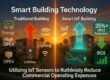
One of the most transformative innovations in San Clemente’s mixed-use developments is advanced energy management technology. California’s stringent Title 24 building standards already push for high-efficiency designs, but mixed-use projects are going further by deploying smart grids, solar integration, and building automation systems (BAS) that optimize energy use across residential, commercial, and retail components.
In a typical mixed-use setup, residential units might consume power differently from ground-floor shops or upper-level offices, creating peak-load challenges during tourist seasons or summer evenings. Smart meters and AI-driven energy platforms analyze real-time usage patterns, weather data, and occupancy levels to automatically adjust HVAC, lighting, and appliance operations. For instance, sensors in shared common areas can dim lights or shift cooling loads when spaces are underutilized, potentially reducing overall energy consumption by 20-30 percent compared to traditional buildings.
Luminar Business Park, a recently approved 20-acre development in Rancho San Clemente, exemplifies this trend with its eco-friendly landscaping and EV charging infrastructure integrated into modern, coastal-inspired buildings. While primarily a business park with elements of mixed-use flexibility (including a recreation-zoned building for fitness and dance studios), its incorporation of taller clearances, floor-to-ceiling glass for natural light, and sustainable features sets a precedent. Future mixed-use projects in the city could expand on this by incorporating rooftop solar arrays paired with battery storage systems. These not only offset grid reliance but also provide backup power during outages, critical in a coastal area vulnerable to wildfires or earthquakes.
Microgrid technology further enhances resilience. In mixed-use environments, a microgrid allows the development to operate as an islanded system, drawing from on-site renewables and distributing power intelligently among tenants. For San Clemente residents and businesses, this means lower utility bills, reduced carbon footprints, and alignment with Orange County’s broader sustainability goals. Developers are also exploring geothermal heat pumps and graywater recycling systems tied to smart irrigation, conserving the region’s precious water resources amid ongoing drought concerns. These technologies not only comply with state mandates but also appeal to eco-conscious buyers and renters who prioritize green living without sacrificing modern conveniences.
The environmental benefits extend beyond individual buildings. Mixed-use developments reduce vehicle miles traveled (VMT) by colocating living, working, and shopping spaces, and tech amplifies this by integrating with city-wide initiatives for energy-efficient public realms. In San Clemente’s Vision Plan, infill projects near transit corridors emphasize pedestrian-friendly designs; layering in smart energy tech ensures these developments contribute to greenhouse gas reduction targets while maintaining the city’s scenic beauty.
Internet of Things (IoT) and Integrated Smart Building Operations
IoT forms the backbone of modern mixed-use developments, creating interconnected ecosystems that monitor and manage everything from air quality to waste collection. In San Clemente, where developments must harmonize with hillside topography and ocean proximity, IoT sensors provide granular data that traditional management cannot match.
Consider a multi-story mixed-use building with residential lofts above retail and office spaces. IoT-enabled building management systems (BMS) use sensors to track indoor environmental quality (IEQ), adjusting ventilation based on CO2 levels or occupancy. This is particularly valuable in a coastal climate where humidity and salt air can affect indoor comfort. Predictive maintenance algorithms analyze equipment data to schedule repairs before failures occur, minimizing downtime for commercial tenants and enhancing resident satisfaction.
Waste management is another area ripe for innovation. Smart bins equipped with fill-level sensors and compaction technology optimize collection routes, reducing truck traffic in pedestrian-oriented zones like those planned along Avenida Pico or near the Outlets. For mixed-use projects, this translates to cleaner streets, lower operational costs, and support for zero-waste goals—aligning with California’s ambitious recycling targets.
Security and access control benefit immensely from IoT. Keyless entry systems using mobile apps or biometric authentication allow seamless movement for residents while granting time-limited access to delivery personnel or guests. In shared parking or amenity spaces, integrated platforms ensure only authorized users enter, fostering a sense of community safety without intrusive measures. These systems can also interface with emergency response networks, providing first responders with real-time building layouts and occupant data during incidents.
San Clemente’s smaller-scale mixed-use approvals, such as the Calvada project south of downtown (featuring apartments and commercial suites), demonstrate how even modest developments can adopt scaled IoT solutions. Larger visions in the city’s planning documents envision these technologies scaling up to create “smart districts” where data from multiple sites informs city-wide planning, such as optimizing traffic signals near El Camino Real.
Mobility Innovations: Smart Parking, EV Infrastructure, and Multimodal Access
Parking has historically been a pain point in mixed-use developments, especially in space-constrained coastal cities like San Clemente. Innovative technologies are revolutionizing this aspect, turning parking from a liability into a dynamic asset.
Smart sensors and IoT ground-embedded or camera-based systems deliver real-time occupancy data via mobile apps, guiding drivers directly to available spots and reducing circling time by up to 25 percent. This not only cuts emissions but also eases congestion in high-traffic areas near the beach or freeway exits. AI-driven demand prediction tools analyze factors like weather, local events, coastal tourism surges, and seasonal patterns to implement dynamic pricing or reservations. For mixed-use sites with residential, visitor, and commercial users, hybrid models allow overnight resident prioritization while opening spots to daytime shoppers or office workers.
Automated and mechanical parking systems, such as puzzle lifts or robotic valets, maximize density in developments where land is premium. These integrate with EV charging stations—now mandatory in new California projects—using smart scheduling to balance grid load and offer app-based reservations. In San Clemente, where projects like Luminar already feature EV chargers, expanding this to full mixed-use contexts supports the city’s transit-oriented development goals near Metrolink stations.
Unbundled parking models, where spaces are decoupled from leases, encourage car-sharing and alternative mobility. Residents can opt out of dedicated spots in favor of bike storage, e-scooter docks, or dedicated EV charging hubs. Mobile apps facilitate seamless payments, reservations, and even integration with ride-sharing services, promoting a car-light lifestyle that complements San Clemente’s trails and beach access.
These mobility techs align perfectly with the city’s emphasis on walkability and bike trails in its Vision Plan. By reducing parking footprints, developers can allocate more space to plazas, green areas, or retail activation, enhancing the pedestrian experience while supporting economic vitality.
Community Engagement, Data Analytics, and AI for Operational Excellence
Beyond physical infrastructure, technology fosters stronger communities within mixed-use developments. Resident portals and apps provide centralized access to amenities, event calendars, maintenance requests, and even energy usage dashboards, promoting transparency and engagement. In San Clemente’s family-oriented, tourism-influenced environment, these tools can highlight local events, surf conditions, or community programs, strengthening social ties.
AI and big data analytics take this further by enabling predictive insights for property managers. Usage patterns inform programming—such as scheduling fitness classes in shared recreation spaces or adjusting retail hours based on foot traffic. For mixed-use operators, this data-driven approach optimizes tenant mix, lease negotiations, and long-term planning.
Security is elevated through AI-powered video analytics that detect anomalies without constant human monitoring, while privacy safeguards ensure compliance with regulations. In a seismically active region, integrated sensors can provide early warnings or structural health monitoring.
Challenges remain, including upfront costs, data privacy concerns, and the need for digital equity to ensure all residents benefit. However, San Clemente’s planning processes, including community workshops for the Housing Action Plan, offer avenues to address these through inclusive design.
Future Outlook and Why San Clemente Leads the Way
As San Clemente advances projects under its Vision Plan and Housing Element, innovative technology will be central to creating vibrant, resilient mixed-use environments. From Luminar’s modern precedents to parking revolutions tailored for coastal constraints, these approaches deliver environmental, economic, and social returns.
Mixed-use developments powered by tech reduce VMT, conserve resources, boost property values, and attract talent and visitors drawn to smart, sustainable living. For Orange County as a whole, San Clemente’s coastal context offers a blueprint: balancing innovation with heritage preservation.
In the coming years, expect greater integration of 5G for faster connectivity, augmented reality for virtual tours or wayfinding, and advanced AI for personalized resident experiences. Policymakers, developers, and residents collaborating on these fronts will ensure San Clemente not only grows but thrives as a forward-thinking coastal gem.
The marriage of technology and thoughtful mixed-use design in San Clemente represents more than urban planning—it’s a commitment to a high-quality, sustainable future. As these innovations take root, the city will continue to honor its past while embracing a smarter tomorrow.