
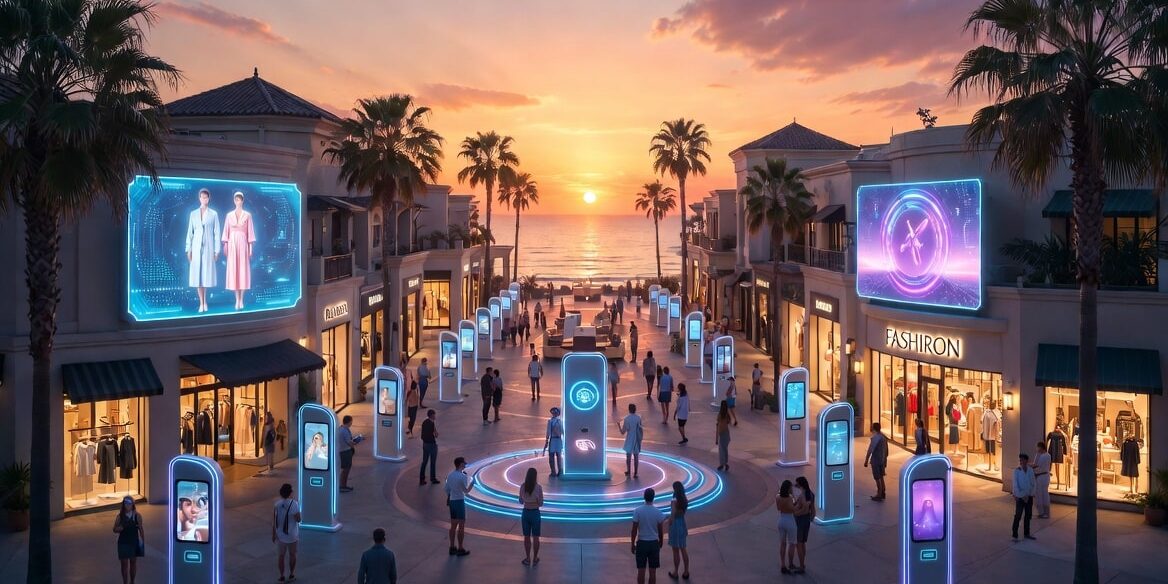
In the sun-drenched coastal enclave of Newport Beach, Orange County, California, shopping centers have evolved far beyond traditional retail destinations. Once defined by sprawling parking lots, anchor department stores, and seasonal sales, these complexes now stand at the forefront of retail innovation. Newport Beach’s premier shopping venues—Fashion Island, The District at Tustin Legacy (serving the greater Newport area), and nearby South Coast Plaza in neighboring Costa Mesa—have embraced cutting-edge technology to enhance the visitor experience, boost operational efficiency, and create seamless omnichannel shopping journeys. This transformation reflects broader trends in the retail industry while adapting to the unique lifestyle and expectations of affluent Orange County residents who value convenience, personalization, and sustainability.
As of 2026, technology integration in Newport Beach shopping centers is not merely an enhancement; it is a fundamental redefinition of what a “mall” can be. From AI-powered personalization engines to immersive augmented reality (AR) experiences and sustainable smart-building systems, these innovations are reshaping how consumers discover, navigate, interact with, and purchase goods and services. This comprehensive exploration delves into the most innovative approaches currently transforming shopping centers in Newport Beach and the surrounding Orange County region, highlighting real-world implementations, benefits, challenges, and future trajectories.
The Evolution of Retail Technology in Orange County
Newport Beach has long been synonymous with luxury and leisure. With its iconic harbor, upscale residential communities, and proximity to tech hubs in Irvine and Silicon Beach, the area attracts a tech-savvy demographic that demands more than just products—they seek experiences. Shopping centers here have responded by investing heavily in digital infrastructure.
Historically, retail technology focused on point-of-sale (POS) systems and basic loyalty programs. Today, the landscape includes Internet of Things (IoT) sensors, 5G connectivity, computer vision, machine learning algorithms, and blockchain-based loyalty systems. Fashion Island, managed by The Irvine Company, has undergone multiple modernization phases, incorporating smart parking, digital wayfinding, and contactless interactions. Similarly, properties across Orange County have piloted or fully deployed technologies that reduce friction in the shopping journey while collecting valuable data to refine operations.
According to industry reports, U.S. retail foot traffic has rebounded post-pandemic, but consumer expectations have shifted dramatically toward hybrid experiences. In Orange County, where median household incomes exceed $100,000 in many ZIP codes, shoppers are willing to pay a premium for convenience and exclusivity. This economic reality has fueled aggressive technology adoption among local shopping center operators.
Smart Navigation and Wayfinding Systems
One of the most visible innovations in Newport Beach shopping centers is advanced wayfinding technology. Traditional paper maps and static directories have been replaced by interactive digital kiosks, mobile apps, and even AR-enhanced navigation.
At Fashion Island, visitors can download the official app or use in-mall beacons to receive real-time directions. The system uses Bluetooth Low Energy (BLE) beacons and Wi-Fi triangulation to pinpoint a shopper’s location with meter-level accuracy. Once inside, the app suggests optimized routes based on the user’s shopping list, current crowd density (detected via overhead cameras and foot-traffic sensors), and even weather conditions for outdoor promenades.
Augmented reality takes this further. Using their smartphone cameras, shoppers can overlay digital directions onto the physical environment. For instance, pointing a phone at a store entrance might display current promotions, wait times at popular eateries, or virtual previews of in-store inventory. Similar systems are being tested or implemented at other Orange County centers, allowing seamless transitions between indoor and outdoor spaces—a hallmark of Newport Beach’s open-air lifestyle.
These technologies do more than guide shoppers; they reduce decision fatigue and increase dwell time. Data from similar deployments shows a 15-25% uplift in time spent in-mall and a corresponding rise in impulse purchases. For families or tourists unfamiliar with the layout, smart wayfinding transforms potentially stressful visits into enjoyable excursions.
Personalized Shopping Experiences Powered by AI
Artificial intelligence is perhaps the most transformative force in modern retail, and Newport Beach shopping centers are leveraging it to deliver hyper-personalized experiences.
AI recommendation engines analyze vast datasets—including past purchases, browsing history within the app, time of day, weather, and even social media activity (with explicit consent)—to suggest tailored product recommendations. At luxury retailers within Fashion Island and South Coast Plaza, AI-powered digital mirrors allow shoppers to “try on” clothing virtually using body-scanning technology. These smart mirrors capture measurements, suggest complementary items based on style profiles, and even adjust lighting to simulate different times of day or occasions.
Beyond individual stores, center-wide platforms aggregate data to create unified customer profiles. A shopper who frequently visits the Apple Store and nearby fashion boutiques might receive notifications about coordinated tech-fashion events or exclusive pop-ups. Machine learning models predict peak shopping times and personalize promotional offers in real time, sending push notifications like “Based on your love for coastal chic, enjoy 20% off at this boutique today only.”
Voice commerce is another growing area. Shoppers can use smart assistants integrated into the mall app or in-store kiosks to add items to a digital cart via natural language commands. “Find me sustainable activewear in size medium under $150” yields curated results with one-tap purchasing options for curbside pickup or delivery.
The benefits extend to retailers as well. AI-driven inventory management uses predictive analytics to forecast demand with greater accuracy, reducing stockouts and overstock situations common in seasonal coastal markets. Dynamic pricing algorithms adjust costs based on real-time factors such as local events (e.g., Newport Beach Film Festival or boat shows) or competitor activity.
Contactless and Seamless Payment Solutions
Post-pandemic hygiene concerns accelerated the adoption of contactless technologies, but in Newport Beach, these have evolved into comprehensive seamless payment ecosystems.
Mobile wallets, NFC-enabled gates, and biometric authentication are now standard. Shoppers can link their preferred payment method once in the mall app and enjoy frictionless transactions across participating stores. Some implementations use computer vision to enable “just walk out” shopping similar to Amazon Go, where sensors and cameras automatically detect items placed in a smart basket or bag and charge the associated account upon exit.
For high-end purchases, blockchain-based digital receipts provide secure, immutable records that simplify returns and warranty claims. Luxury watch or jewelry buyers at centers near Newport Beach can receive NFT-linked certificates of authenticity, adding a layer of exclusivity and resale value tracking.
Parking payments have also been revolutionized. License plate recognition cameras paired with mobile apps allow drivers to pay for parking without leaving their vehicle. In some lots, AI optimizes space allocation, guiding drivers to available spots via the app and even reserving spaces for electric vehicle (EV) chargers based on real-time availability and vehicle type.
These contactless systems not only improve speed and convenience but also enhance security through encrypted transactions and reduced cash handling.
Immersive Experiences: AR, VR, and Interactive Installations
Technology in Newport Beach shopping centers goes beyond utility to create memorable, shareable experiences that differentiate them from e-commerce competitors.
Augmented reality pop-ups allow shoppers to visualize home décor items in their actual living spaces or see how a new outfit would look during a sunset harbor cruise. Virtual reality stations in select stores transport users to virtual showrooms or behind-the-scenes tours of designer ateliers.
Interactive digital walls and floors respond to movement, creating engaging installations that promote sustainability or local artists. During holiday seasons, AI-generated light shows synchronized with music and visitor movements turn open-air plazas into immersive wonderlands.
Event spaces equipped with high-bandwidth 5G and AV technology host virtual fashion shows, influencer meet-and-greets, and hybrid workshops. Shoppers can participate remotely or in-person, expanding the center’s reach beyond physical visitors.
These immersive technologies increase social media engagement, with visitors sharing AR-filtered photos and videos that organically promote the mall. Analytics show that experiential retail can boost conversion rates by up to 30% compared to traditional browsing.
Sustainability and Smart Building Technologies
Orange County’s environmentally conscious population has driven shopping centers to adopt green technologies that align with luxury and innovation.
IoT sensors monitor energy consumption in real time, automatically adjusting HVAC, lighting, and irrigation systems for optimal efficiency. Smart glass windows tint dynamically based on sunlight intensity, reducing cooling costs while maintaining ocean-view aesthetics.
EV charging stations with smart scheduling prevent grid overload and integrate with the mall’s renewable energy sources, including rooftop solar arrays. Some centers have piloted vehicle-to-grid (V2G) technology, allowing parked EVs to feed power back into the building during peak demand.
Waste management systems use AI to sort recyclables and compostables more effectively, while water reclamation technologies support lush landscaping that defines Newport Beach’s aesthetic.
Digital twins—virtual replicas of the entire shopping center—enable facility managers to simulate scenarios, predict maintenance needs, and optimize layouts for better airflow and crowd flow, further reducing the carbon footprint.
These sustainable tech initiatives not only lower operational costs but also appeal to eco-aware shoppers who increasingly factor environmental impact into their purchasing decisions.
Data Privacy, Security, and Ethical Considerations
With great technological capability comes significant responsibility. Newport Beach shopping centers must navigate complex data privacy regulations, including California’s Consumer Privacy Act (CCPA) and its evolving successors.
Transparent data policies, granular consent mechanisms, and robust cybersecurity measures are essential. Many centers now employ privacy-by-design principles, anonymizing data where possible and offering opt-out options for personalized experiences.
Ethical AI use is another priority. Algorithms are regularly audited to prevent bias in recommendations or pricing. Security teams monitor for vulnerabilities in IoT networks and biometric systems, protecting both customer information and physical assets.
Community engagement plays a role here too. Town halls and feedback sessions allow residents to voice concerns about surveillance or data usage, fostering trust in an area where privacy expectations run high among affluent homeowners.
Operational Efficiency and Backend Innovations
Behind the glossy consumer-facing technologies lies a sophisticated backend infrastructure that keeps shopping centers running smoothly.
Predictive maintenance powered by machine learning analyzes sensor data from elevators, escalators, and HVAC units to schedule repairs before failures occur, minimizing downtime.
Supply chain technologies, including blockchain for traceability, ensure that goods—from fresh produce at gourmet markets to luxury imports—arrive efficiently and transparently.
Workforce management tools use AI to optimize staffing levels based on predicted foot traffic, weather forecasts, and event calendars, improving labor efficiency while enhancing service quality.
Integration platforms connect disparate systems—from tenant POS to central security and marketing—creating a unified operational view that enables rapid response to changing conditions.
Challenges and Barriers to Adoption
Despite the excitement, implementing innovative technologies in Newport Beach shopping centers is not without hurdles.
High initial capital costs can be prohibitive, particularly for smaller tenants. Integration complexities arise when legacy systems must interface with modern cloud platforms. Staff training is ongoing, as employees must become comfortable with new tools while maintaining the personalized service that defines luxury retail.
Cybersecurity threats are ever-present, with sophisticated attacks targeting retail networks. Additionally, the digital divide—though less pronounced in affluent Orange County—still requires centers to offer non-digital alternatives for older visitors or those preferring traditional experiences.
Regulatory compliance adds another layer, as Orange County municipalities scrutinize large-scale tech deployments for their impact on traffic, energy use, and community character.
Overcoming these challenges requires collaborative partnerships between property managers, technology providers, retailers, and local government. Public-private initiatives in Orange County have proven effective in piloting new solutions while sharing risks and rewards.
Future Outlook: What’s Next for Newport Beach Shopping Centers?
Looking ahead to the remainder of the 2020s and beyond, several emerging technologies promise to further revolutionize the sector.
The metaverse and Web3 could enable persistent virtual shopping centers where users interact via avatars, attend virtual events, and make NFT-backed purchases that unlock real-world perks. While still nascent, early experiments in Orange County suggest hybrid physical-digital worlds will become standard.
Advanced robotics, including delivery drones and autonomous cleaning bots, may handle logistics and maintenance, freeing human staff for higher-value customer interactions.
Brain-computer interfaces or advanced biometrics could one day allow thought-based navigation or emotion-aware personalization, though these remain speculative and ethically complex.
Sustainability will continue as a driving force, with net-zero energy goals and circular economy principles embedded in technology roadmaps.
Integration with smart cities initiatives—such as connected transportation networks linking Newport Beach harbors, airports, and transit hubs—will create ecosystem-wide experiences where shopping centers serve as seamless nodes in daily life.
Artificial general intelligence (AGI) developments could enable truly conversational shopping companions that understand context, emotion, and long-term preferences at unprecedented levels.
Conclusion: Technology as the New Cornerstone of Coastal Luxury Retail
In Newport Beach and throughout Orange County, shopping centers are no longer static destinations but dynamic, intelligent ecosystems powered by innovative technology. By embracing AI personalization, smart navigation, immersive experiences, sustainable systems, and seamless operations, these venues have positioned themselves to thrive in an increasingly competitive retail landscape.
The success of these approaches lies not just in the sophistication of the tools but in how thoughtfully they are deployed to enhance—rather than replace—the human elements of shopping: discovery, connection, and delight. For residents and visitors alike, a trip to Fashion Island or neighboring centers now offers a blend of coastal charm and futuristic convenience that perfectly captures the spirit of modern Orange County living.
As technology continues to advance at an exponential pace, Newport Beach shopping centers will likely remain at the vanguard, setting standards for the industry while adapting to the evolving desires of their discerning clientele. The future of retail here is bright, connected, personalized, and profoundly experiential—proving that even in a digital age, the joy of physical shopping can be elevated through thoughtful innovation.