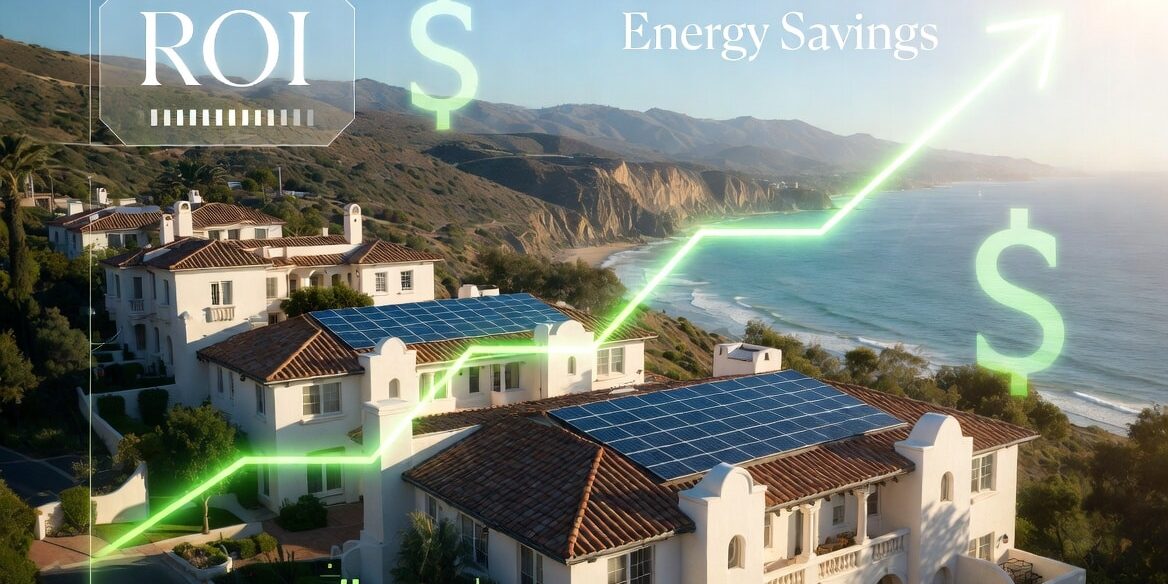
San Clemente, a picturesque coastal city in Orange County, California, embodies the ideal blend of Mediterranean climate, ocean views, and upscale living. With its Spanish Colonial Revival architecture and proximity to beaches, the area attracts residents seeking a high quality of life. Apartment complexes here—ranging from luxury communities like Pinnacle at Talega and Rancho Del Mar to more affordable options—face unique opportunities and challenges in managing energy consumption. High electricity and gas rates in California, combined with state mandates for sustainability, make energy efficiency not just an environmental imperative but a critical financial strategy for property owners and managers.
This comprehensive guide explores how apartment complex owners and property managers in San Clemente can optimize financial management through energy efficiency initiatives. By reducing operational costs, accessing incentives, improving net operating income (NOI), and enhancing property values, these strategies deliver measurable returns. We will cover the local context, key efficiency measures, financial modeling, available incentives specific to Orange County and California, implementation steps, case studies, challenges, and future trends. With energy costs representing a significant portion of operating expenses (often 20-30% in multifamily buildings), proactive optimization can yield substantial savings and long-term profitability.
The Local Context: Why Energy Efficiency Matters in San Clemente
San Clemente sits in California Climate Zone 3 (coastal south), characterized by mild temperatures, moderate humidity, and significant cooling needs during summer months. Buildings here benefit from natural ventilation opportunities but still incur notable energy use for HVAC, lighting, water heating, and appliances. Orange County’s apartment market is competitive, with properties like Seacrest Apartments and Everleigh San Clemente (a 55+ community) emphasizing modern amenities, including energy-efficient features in some cases.
California’s stringent building codes drive much of this focus. Title 24, Part 6 (Building Energy Efficiency Standards) mandates high-performance envelopes, efficient lighting, HVAC systems, and increasingly, solar and battery storage for new multifamily construction and major alterations. The 2025 updates emphasize cool roofs, high-efficacy lighting, and performance-based compliance, tailored to coastal zones like San Clemente’s. Non-compliance risks delays in permitting, while exceeding standards can qualify projects for faster approvals and incentives.
Local utility dynamics add another layer. Many San Clemente residents and properties fall under Southern California Edison (SCE) or the Orange County Power Authority (OCPA), which offer targeted rebates and programs. Energy costs in California remain among the highest nationally, making inefficiency expensive. For a typical 100-unit apartment complex, annual utility bills can exceed $200,000–$400,000 depending on size and occupancy. Inefficient buildings also face higher vacancy risks, as tenants increasingly prioritize sustainable, lower-utility-cost living.
The city’s 2021-2029 Housing Element explicitly includes goals for energy conservation in residential developments, aligning with broader state targets for carbon neutrality by 2045. Affordable housing projects, such as San Clemente Place, already incorporate energy-efficient windows, heating, lighting, and appliances, demonstrating that efficiency supports both market-rate and subsidized properties.
Financially, energy efficiency directly impacts NOI—a key metric for property valuation. Studies show that post-upgrade multifamily buildings can see a 1.6% median increase in NOI, driven by lower utility expenses, reduced maintenance, and modest rental premiums for “green” units. In competitive markets like San Clemente, where ocean-view or resort-style complexes command premium rents, energy-efficient properties differentiate themselves and command higher occupancy and renewal rates.
Key Energy Efficiency Measures for Apartment Complexes
Effective optimization begins with a whole-building approach rather than isolated fixes. Common high-impact measures for San Clemente apartments include:
- Building Envelope Improvements: Upgrading insulation, air sealing, windows, and roofs reduces heating and cooling loads. In coastal climates, high-performance windows with low-E coatings minimize solar heat gain while preserving views. Prefabricated envelope systems can accelerate retrofits.
- HVAC and Water Heating Upgrades: Replacing outdated systems with heat pumps (for space and water heating) offers dual benefits of efficiency and electrification. Smart thermostats and zoning controls prevent wasteful usage in vacant units. Duct sealing and high-efficiency filters further optimize performance.
- Lighting and Controls: LED retrofits with occupancy sensors and smart controls can cut lighting energy by 50-70%. Common areas and corridors benefit most.
- Appliances and Fixtures: ENERGY STAR-rated refrigerators, washers, dryers, and low-flow fixtures reduce both energy and water use.
- Renewables and Storage: Solar photovoltaic (PV) systems paired with battery storage address peak demands and qualify for incentives. Coastal properties may face permitting nuances related to aesthetics and seismic standards.
- Smart Building Technology: Energy management systems, sub-metering, and data analytics enable real-time monitoring, tenant engagement (via apps), and predictive maintenance.
These measures, when combined in deep retrofits, can achieve 20-40% energy savings, with even higher potential when paired with solar. For new construction, integrating them from design stage via Title 24 compliance minimizes long-term costs.
Financial Modeling and Optimization Strategies
Optimizing financial management requires rigorous analysis beyond simple payback periods. Property managers should use tools like energy audits, utility bill benchmarking (via EPA Portfolio Manager), and lifecycle cost assessments.
Return on Investment (ROI) Calculations:
- Typical LED lighting upgrades offer payback in 1-3 years.
- HVAC heat pump retrofits may take 5-10 years but deliver ongoing savings and qualify for larger incentives.
- Whole-building retrofits, while capital-intensive (e.g., $10,000–$20,000+ per unit in some cases), can achieve positive cash flow within 5-15 years when incentives and financing are leveraged.
Key metrics include:
- Net Present Value (NPV): Discount future savings at an appropriate rate (e.g., 5-8%).
- Internal Rate of Return (IRR): Aim for projects exceeding the cost of capital.
- Savings-to-Investment Ratio (SIR): Compare lifetime savings to upfront costs.
Strategies for Financial Optimization:
- Benchmarking and Auditing: Start with a professional energy audit to identify quick wins and prioritize measures. Track pre- and post-upgrade usage.
- Budget Allocation: Treat efficiency as a capital improvement rather than expense. Allocate 5-10% of annual operating budgets initially.
- Tenant Engagement: Sub-metering allows direct billing or RUBS (Ratio Utility Billing Systems), shifting some costs while encouraging conservation. Educational programs reduce misuse.
- Maintenance Integration: Efficient systems lower repair frequency, extending equipment life and reducing turnover costs (which can run hundreds to thousands per unit).
- Value Engineering: Bundle measures for economies of scale. For example, combine envelope upgrades with HVAC during scheduled renovations.
- Risk Mitigation: Insurance discounts for “green” buildings and resilience against rising utility rates or carbon pricing.
Data from upgrades shows gas costs dropping nearly 25% and overall NOI rising, with rental income potentially increasing due to tenant demand for efficient units. In San Clemente’s market, where properties emphasize coastal lifestyles, marketing “energy-efficient, lower-utility living” can support rent premiums of 3-5%.
Leveraging Incentives and Financing in Orange County and California
California offers one of the most robust incentive landscapes, crucial for closing the financial gap in multifamily retrofits.
State and Federal Programs:
- Home Electrification and Appliance Rebates (HEEHRA/TECH Clean California): Up to $8,000 per unit for low-income multifamily (or 50% of costs up to $14,000), covering heat pumps, appliances, and wiring.
- Solar on Multifamily Affordable Housing (SOMAH): Incentives for PV systems on affordable properties, allocating benefits to tenants.
- Low Income Weatherization Program (LIWP) Multifamily: Free or low-cost upgrades for qualifying buildings, including efficiency and renewables.
- Self-Generation Incentive Program (SGIP): Rebates for battery storage.
- Federal tax credits (25C/25D): Up to 30% for efficiency improvements, solar, and storage.
Local/Utility Incentives:
- Orange County Power Authority (OCPA): Residential and multifamily rebates, including battery storage ($1,000) and custom offers for energy upgrades.
- Southern California Edison (SCE) Energy Savings Assistance Program: Multifamily Whole Building (MFWB) program for income-qualified properties, covering comprehensive measures.
- Comprehensive Multifamily Incentive (CoMFI) and Multifamily Energy Alliance (MEA): Targeted support for efficiency.
Financing Options:
- C-PACE (Commercial Property Assessed Clean Energy): Long-term, low-interest financing repaid via property assessments; stays with the building upon sale. Ideal for San Clemente retrofits.
- On-bill repayment: Ties loan payments to utility bills, reducing default risk.
- Green loans or ESCO (Energy Service Company) contracts: Performance-based, where savings cover costs.
- California Hub for Energy Efficiency Financing (CHEEF): Via GoGreen platform for affordable multifamily.
Combining incentives can cover 30-80% of project costs, dramatically improving ROI. For example, a heat pump project might see effective payback under 5 years after rebates and tax credits.
Property owners should consult certified energy consultants familiar with Title 24 and local permitting to maximize stacking of incentives.
Implementation Roadmap for San Clemente Apartment Owners
- Assessment Phase (1-2 months): Conduct energy audits and Title 24 compliance reviews. Engage third-party experts.
- Planning and Financing (2-4 months): Model scenarios, apply for incentives/financing, and secure contractor bids.
- Execution: Phase upgrades during off-peak seasons to minimize tenant disruption. Use prefabricated solutions for speed.
- Monitoring and Verification: Install sub-meters and use software for ongoing optimization. Commission systems properly.
- Marketing and Compliance: Certify buildings (e.g., ENERGY STAR for multifamily) and highlight benefits in leasing materials.
Integration with routine capital improvements (roofing, painting) maximizes efficiency and minimizes downtime.
Real-World Benefits and Case Insights
While specific San Clemente case studies are limited in public data, broader California multifamily retrofits demonstrate patterns applicable locally. Properties undergoing deep retrofits report 15-30% energy reductions, lower maintenance calls, and improved tenant satisfaction. One analysis of upgraded buildings showed rental income rising by nearly $400 per unit annually on average, alongside gas savings equivalent to two months’ rent.
In affordable segments, programs like LIWP have enabled zero-upfront-cost upgrades, preserving cash flow for owners while lowering resident burdens. Market-rate complexes in coastal Orange County benefit from premium positioning—tenants willing to pay more for sustainable features that align with California’s environmental ethos.
Challenges include split incentives (where owners pay for upgrades but tenants save on bills), upfront capital constraints, and tenant disruption. Solutions involve RUBS billing, green leases, and phased implementations. Regulatory hurdles, such as historic district considerations in parts of San Clemente, require early planning.
Future Trends and Recommendations
Looking ahead, 2026 and beyond will see greater emphasis on electrification, smart technologies, and data-driven management. Trends include AI-optimized HVAC, widespread battery adoption for load shifting, and mandatory benchmarking. California’s push toward all-electric buildings and decarbonization will make early adopters more competitive.
Recommendations for San Clemente Property Managers:
- Prioritize whole-building audits every 3-5 years.
- Build partnerships with local utilities, OCPA, and contractors experienced in coastal multifamily.
- Incorporate efficiency into long-term capital plans and ESG reporting.
- Educate staff and tenants on conservation to amplify savings.
- Monitor policy updates, including Title 24 evolutions and new rebate programs.
By treating energy efficiency as a core financial management pillar, apartment complexes in San Clemente can achieve lower operating costs, higher NOI, enhanced property values (potentially 5-10% premiums for certified green buildings), stronger tenant retention, and compliance with evolving regulations. In a market where location and lifestyle drive demand, sustainable operations provide a competitive edge.
Property owners who invest thoughtfully today will reap compounding benefits: reduced exposure to volatile energy prices, improved resilience to climate impacts, and alignment with tenant values in one of California’s most desirable coastal communities. For personalized guidance, consult local energy professionals, utility account representatives, or financial advisors specializing in real estate sustainability.
In summary, optimizing financial management through energy efficiency is not an expense but a high-ROI strategy. With California’s supportive ecosystem and San Clemente’s unique coastal advantages, apartment complexes stand to gain significantly—financially, operationally, and reputationally—by embracing these practices. Proactive steps now position properties for long-term success in a sustainability-focused future.