

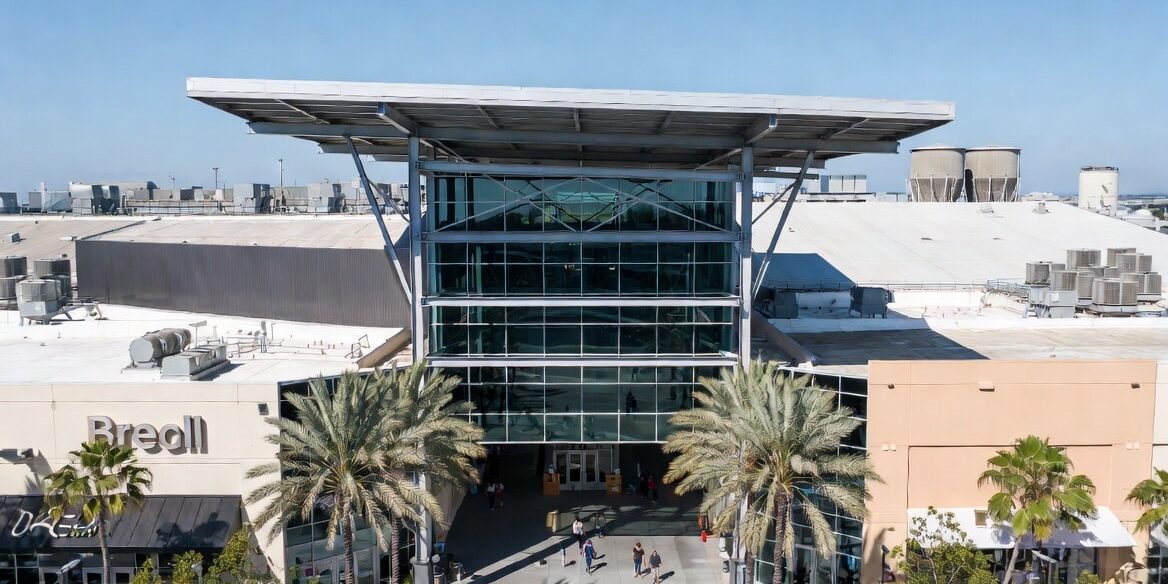
In the bustling heart of Orange County, California, Brea stands out as a vibrant shopping destination. With popular malls like Brea Mall and numerous retail plazas drawing thousands of visitors daily, maintaining a comfortable indoor environment is essential for both shoppers and retailers. The Heating, Ventilation, and Air Conditioning (HVAC) system plays a critical role in ensuring consistent temperature control, excellent air quality, and energy efficiency in these large commercial spaces.
Shopping centers in Brea face unique challenges due to Southern California’s Mediterranean climate—mild winters, warm summers, and occasional Santa Ana winds that can spike temperatures and introduce dust and pollutants. High foot traffic, varying store hours, and diverse tenant needs further complicate HVAC management. Poorly maintained systems can lead to higher energy bills, uncomfortable environments, reduced foot traffic, and even health concerns from poor indoor air quality.
This comprehensive guide outlines the Top 10 Tips for HVAC Systems in Shopping Centers in Brea, Orange County. Whether you’re a mall manager, property owner, facilities director, or retail tenant, these practical strategies will help you optimize performance, reduce costs, and enhance the shopping experience. From routine maintenance to smart technology integration, we’ll cover actionable advice tailored to Brea’s local conditions.
Tip 1: Schedule Regular Professional Maintenance Checks
One of the most fundamental yet often overlooked aspects of HVAC management in large shopping centers is consistent professional maintenance. In Brea, where temperatures can climb into the high 80s and 90s during summer months, an HVAC system working overtime needs frequent attention to prevent breakdowns during peak shopping seasons.
Experts recommend quarterly inspections for commercial HVAC systems in high-traffic environments like shopping malls. During these checks, technicians should inspect filters, coils, ducts, and refrigerant levels. For Brea-specific considerations, pay special attention to dust accumulation from nearby construction or windy conditions common in Orange County.
A well-maintained system can improve energy efficiency by up to 15-20% and extend equipment lifespan significantly. Create a maintenance calendar that aligns with Brea Mall’s busy holiday seasons (November through January) and back-to-school periods. Partner with local HVAC companies familiar with Orange County codes and climate patterns to ensure compliance and optimal performance.
Routine maintenance also includes calibrating thermostats and checking for unusual noises or vibrations that could indicate impending failures. In a shopping center setting, even a minor issue can affect multiple stores, leading to tenant complaints and lost revenue.
Tip 2: Upgrade to High-Efficiency HVAC Equipment
Older HVAC systems in many Brea shopping centers struggle with the demands of modern retail spaces. Upgrading to high-efficiency models, such as those with SEER ratings of 16 or higher for cooling and high AFUE ratings for heating, can dramatically reduce operational costs.
In Orange County, utility providers like Southern California Edison offer rebates and incentives for energy-efficient upgrades. Shopping center managers in Brea should explore these programs when planning equipment replacements. Variable Refrigerant Flow (VRF) systems are particularly suitable for malls with multiple zones, allowing independent temperature control for different stores and common areas.
Consider geothermal heat pumps if space allows, as they leverage Brea’s stable ground temperatures for superior efficiency. While the initial investment is higher, the long-term savings on energy bills—often 30-50% lower—and reduced maintenance needs make it worthwhile for large facilities.
When upgrading, prioritize systems with advanced filtration capabilities to handle allergens and pollutants prevalent during Santa Ana wind events. This not only improves comfort but also supports healthier indoor environments, which is increasingly important for attracting health-conscious shoppers in Brea.
Tip 3: Implement Smart Thermostat and Building Automation Systems
Smart technology has revolutionized HVAC management in commercial properties. In Brea shopping centers, integrating smart thermostats and full Building Automation Systems (BAS) allows for precise control based on real-time occupancy, weather conditions, and energy pricing.
Systems like those from Honeywell, Johnson Controls, or Siemens can monitor foot traffic through integrated sensors and adjust cooling or heating accordingly. During slow weekdays versus busy weekends at Brea Mall, the system can automatically reduce energy use in less-occupied areas.
Orange County’s variable electricity rates make demand-response capabilities particularly valuable. BAS can shift load during peak hours or pre-cool spaces before high-traffic periods. Integration with weather APIs is crucial in Brea, where sudden temperature swings can occur.
Mobile apps allow facilities managers to monitor and adjust settings remotely, reducing response times to issues. For multi-tenant shopping centers, zone-specific controls prevent disputes over temperature preferences between different retailers.
Data analytics from these systems provides insights into usage patterns, helping identify inefficiencies and predict maintenance needs before problems arise.
Tip 4: Prioritize Superior Air Filtration and Indoor Air Quality (IAQ)
With thousands of shoppers passing through Brea’s shopping centers daily, indoor air quality becomes a top priority. Advanced filtration systems, including MERV 13 or higher filters, or even HEPA options in high-sensitivity areas, can capture fine particles, allergens, and pathogens.
Brea’s proximity to major highways and occasional wildfire smoke from surrounding areas makes robust IAQ management essential. Consider installing UV-C light systems or bipolar ionization technology to neutralize viruses and bacteria in the air streams.
Regular filter replacement schedules—every 1-3 months, depending on traffic—are non-negotiable. Poor IAQ can lead to “sick building syndrome,” resulting in shopper discomfort and potential liability issues.
Many modern shopping centers in Orange County are now pursuing WELL or LEED certifications, which emphasize superior air quality. Enhanced ventilation rates, especially during and after the pandemic, help dilute contaminants effectively.
Monitor CO2 levels and humidity (aim for 40-60%) to prevent mold growth, which can be exacerbated by Brea’s occasional humid marine layers.
Tip 5: Optimize Ductwork Design and Maintenance
Leaky or poorly designed ductwork can waste up to 30% of conditioned air in large shopping center HVAC systems. In Brea, where retail spaces often undergo tenant improvements and remodels, ensuring duct integrity is critical.
Conduct regular duct cleaning and sealing, especially in areas with high dust loads from foot traffic or external sources. Aeroseal technology offers a non-invasive way to seal leaks from the inside, minimizing disruption to mall operations.
When redesigning or expanding shopping centers in Brea, work with engineers experienced in large commercial applications to optimize airflow distribution. Variable Air Volume (VAV) boxes allow for better zoning and energy savings.
Insulate ducts properly to prevent energy loss, particularly in unconditioned spaces like attics or above drop ceilings common in mall constructions.
Proper duct design also reduces noise, creating a more pleasant shopping atmosphere without the constant hum of air handlers.
Tip 6: Focus on Energy Recovery and Ventilation Strategies
Energy recovery ventilators (ERVs) or heat recovery ventilators (HRVs) are game-changers for shopping centers in Brea. These systems capture energy from exhaust air to precondition incoming fresh air, significantly reducing the load on heating and cooling equipment.
In California’s strict energy codes (Title 24), such technologies help meet compliance while lowering utility costs. For Brea shopping centers with high ventilation demands due to occupancy, ERVs can recover up to 70-80% of energy that would otherwise be wasted.
Demand-controlled ventilation (DCV) using CO2 sensors ensures fresh air is supplied only when needed, avoiding over-ventilation during low-traffic periods.
During shoulder seasons in Orange County, economizer modes can utilize free outdoor cooling when conditions allow, further enhancing efficiency.
These strategies not only cut costs but also support sustainability goals, which resonate with Brea’s environmentally conscious community and shoppers.
Tip 7: Train Staff and Tenants on HVAC Best Practices
Even the most advanced HVAC system requires human cooperation for optimal performance. In shopping centers, facilities teams and retail staff should receive training on proper system use, reporting issues promptly, and basic troubleshooting.
Educate tenants about keeping vents clear, not blocking returns with displays, and reporting uncomfortable temperatures early. In Brea Mall and similar venues, implement a centralized complaint system for quick resolution.
Seasonal training sessions before summer and winter peaks can prevent common mistakes that strain systems. Encourage energy-conscious behaviors, such as keeping doors closed and using shading on windows to reduce cooling loads.
For property managers, consider incentive programs for tenants who demonstrate good HVAC practices, fostering a collaborative environment that benefits everyone.
Tip 8: Monitor and Manage Humidity Levels Carefully
Brea experiences varying humidity levels, particularly influenced by marine influences from the nearby Pacific Ocean. Excessive humidity can lead to mold growth and discomfort, while very low humidity causes static and dry air issues.
Modern HVAC systems should include dehumidification capabilities, especially in coastal-influenced Orange County. Desiccant dehumidifiers or enhanced cooling coils can help maintain ideal relative humidity.
Use hygrometers and integrate humidity control into your BAS for automatic adjustments. This is particularly important in food court areas or stores with perishable goods, where humidity affects product quality.
Proper humidity management also improves overall system efficiency, as equipment doesn’t have to work as hard to achieve comfort levels.
Tip 9: Plan for Emergency Preparedness and Redundancy
Shopping centers cannot afford HVAC failures during peak times. In Brea, develop comprehensive emergency plans including backup generators sized for critical HVAC components and redundant systems for key areas.
Maintain service contracts with 24/7 emergency response from local Orange County HVAC professionals. Stock critical spare parts on-site to minimize downtime.
Consider modular HVAC designs that allow sections to operate independently, preventing a single failure from affecting the entire mall.
Regular testing of backup systems and clear communication protocols with tenants ensures smooth handling of any disruptions.
Tip 10: Stay Compliant with Local Regulations and Pursue Certifications
Orange County and the City of Brea enforce strict building and energy codes. Familiarize yourself with California Title 24, ASHRAE standards, and local permitting requirements for HVAC modifications.
Engage consultants knowledgeable about Brea-specific regulations to avoid costly compliance issues. Many shopping centers benefit from pursuing ENERGY STAR certification or other green building labels, which can enhance property value and attract eco-friendly tenants and shoppers.
Stay updated on refrigerant phase-outs (such as R-410A transitions) and plan replacements accordingly to avoid future disruptions.
Participate in local utility programs and workshops offered in Orange County for the latest best practices in commercial HVAC management.
Conclusion: Investing in HVAC Excellence for Brea Shopping Centers
Implementing these Top 10 Tips for HVAC Systems in Shopping Centers in Brea, Orange County, can transform your property from a basic retail space into a comfortable, efficient, and attractive destination. From regular maintenance and smart upgrades to superior air quality and regulatory compliance, each tip contributes to lower operating costs, happier shoppers, and more satisfied tenants.
In a competitive retail landscape like Brea’s, where experiences matter as much as products, a well-functioning HVAC system is a silent hero that enhances every visit. Property managers who prioritize these strategies often see increased foot traffic, higher tenant retention, and improved profitability.
Start by conducting a comprehensive HVAC audit of your shopping center today. Partner with experienced local professionals who understand Brea’s unique climate and commercial demands. With proactive management and investment in modern technology, your Brea shopping center can maintain optimal comfort year-round while achieving significant energy and cost savings.
For personalized advice tailored to your specific property in Brea or elsewhere in Orange County, consult certified HVAC engineers and facilities management experts. A comfortable shopping environment isn’t just nice to have—it’s essential for success in today’s retail world.