

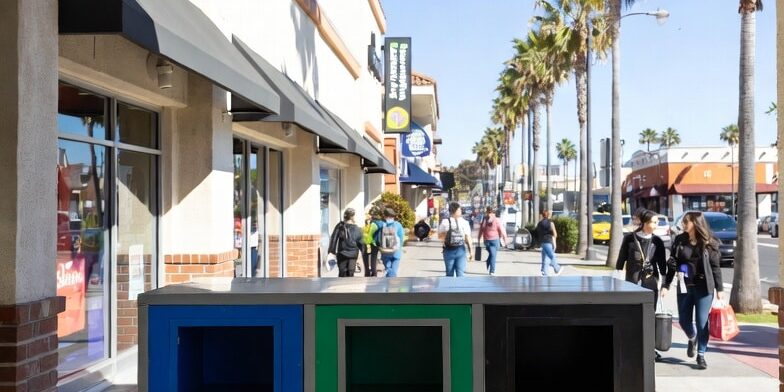
Strip malls are the heartbeat of many communities in Santa Ana, Orange County. These bustling commercial hubs house everything from small retail shops and restaurants to service providers and offices, serving thousands of residents and visitors daily. However, with high foot traffic, diverse tenant types, and constant deliveries, waste generation can quickly become a significant challenge. Proper waste management isn’t just about keeping the property looking clean—it’s essential for regulatory compliance, cost control, environmental responsibility, and maintaining a positive image for both tenants and customers in this vibrant Southern California city.
Santa Ana, as part of Orange County, operates under strict local, state, and federal waste regulations. The city emphasizes diversion from landfills through recycling, composting, and sustainable practices, aligning with California’s ambitious goals like SB 1383, which mandates organic waste recycling. For strip mall owners, property managers, and tenants in areas like South Main Street, Bristol Street, or the bustling neighborhoods near the Santa Ana River, effective waste management can reduce hauling fees, avoid fines, and contribute to a greener community. Poor practices, on the other hand, can lead to overflowing dumpsters, pest issues, odors, and even legal penalties from the City of Santa Ana’s Environmental Services or Orange County Sanitation District.
This comprehensive guide outlines the Top 10 Tips for Waste Management in Strip Malls in Santa Ana, Orange County. Whether you’re a new property manager dealing with a 10-unit strip mall off Harbor Boulevard or an experienced owner overseeing multiple properties, these practical, actionable strategies will help you optimize operations while staying compliant with local requirements. Let’s dive in.
1. Understand and Comply with Local Waste Regulations in Santa Ana
The foundation of effective waste management begins with knowing the rules specific to Santa Ana and Orange County. California law requires businesses to divert at least 50% of waste from landfills, but Santa Ana has even more targeted ordinances. Under the city’s Municipal Code and franchise agreements with waste haulers like CR&R Environmental Services or similar providers, strip malls must provide adequate recycling and organic waste bins for tenants and customers.
Key regulations to note:
- SB 1383 Compliance: All businesses generating organic waste (food scraps from restaurants, landscaping debris) must separate and recycle these materials. Fines for non-compliance can reach thousands of dollars per violation.
- Santa Ana’s Zero Waste Goals: The city aims to reduce landfill waste significantly. Strip malls must ensure tenants sort trash, recyclables (paper, plastics, metals, glass), and organics properly.
- Hazardous Waste Rules: Retailers dealing with paints, batteries, or cleaning supplies need proper disposal channels through certified handlers, not regular dumpsters.
- Dumpster Placement and Screening: Enclosures must meet zoning codes, often requiring solid walls or landscaping to screen them from public view.
Actionable Steps:
- Schedule an annual review with your waste hauler to confirm bin sizes, collection frequency, and contamination rates.
- Post clear signage in English and Spanish (reflecting Santa Ana’s diverse population) explaining what goes where.
- Train property management staff on reporting illegal dumping, which is a common issue near busy intersections like 17th Street or Edinger Avenue.
By staying proactive, strip mall operators can avoid costly citations from Santa Ana Code Enforcement and build a reputation for responsibility.
2. Conduct a Thorough Waste Audit for Your Strip Mall
Before implementing changes, you need data. A professional waste audit reveals exactly what your strip mall is throwing away, how much, and where inefficiencies lie. In Santa Ana’s climate—warm, dry summers and mild winters—organic waste decomposes quickly, leading to odors and pests if not managed well.
How to Perform an Audit:
- Partner with your hauler or hire a consultant specializing in commercial waste in Orange County.
- Sort a representative sample of waste from dumpsters over a typical week, categorizing into trash, recyclables, organics, and contaminants.
- Track volume by tenant type: A fast-food restaurant might generate 60% organics, while a clothing store produces mostly cardboard and plastic packaging.
- Measure contamination rates—high contamination in recycling bins can lead to the entire load being landfilled, increasing costs.
Typical findings in Santa Ana strip malls include excessive single-use plastics from food tenants, cardboard from deliveries, and mixed waste from shared tenant areas. Audits often show that 30-50% of “trash” could be diverted, potentially saving hundreds or thousands in monthly hauling fees.
Benefits:
- Identify opportunities for source reduction (e.g., switching to bulk packaging).
- Justify requests for additional or larger recycling/organics bins from your hauler.
- Provide baseline data for tracking improvements over time.
Many Orange County property managers report 20-40% cost reductions after audits and targeted improvements.
3. Implement a Robust Three-Stream Waste Separation System
The most effective waste management programs use three clearly labeled streams: Trash, Recyclables, and Organics/Compostables. Santa Ana’s haulers support this model, and proper separation maximizes diversion rates.
Best Practices for Strip Malls:
- Place central collection points in convenient, well-lit areas behind the mall or in screened enclosures. Ensure accessibility for tenants and collection trucks.
- Use color-coded bins: Blue for recyclables, Green for organics, Black/Gray for trash. Include lids to prevent scavenging by birds or animals common in Orange County.
- For customer-facing areas (near entrances or parking lots), install public recycling stations with educational graphics.
- In multi-tenant setups, assign responsibility—tenants handle internal sorting, while management oversees shared dumpsters.
Consider tenant mix: Food-heavy strip malls (common in Santa Ana with its diverse cuisine scene) benefit from on-site compactors for organics or partnerships with local compost facilities. Retail-dominant malls focus on cardboard balers to reduce volume.
Pro Tip: Install locks on bins to prevent unauthorized dumping, a frequent problem in high-density areas like those near the Santa Ana Zoo or downtown revitalization zones.
4. Choose the Right Waste Hauler and Negotiate Contracts Wisely
Not all haulers are created equal. In Orange County, options include municipal franchises and private providers. Santa Ana works with approved haulers who must meet diversion targets.
Selection Criteria:
- Diversion Expertise: Look for haulers offering organics recycling, single-stream recycling, and reporting tools that track your mall’s performance against city goals.
- Frequency and Flexibility: Weekly collections may suffice for small malls, but food tenants might need 2-3 times weekly during peak summer heat to control odors.
- Technology: Providers with route optimization apps or weight-based billing can lower costs.
- Sustainability Focus: Some haulers offer carbon offset programs or education for tenants.
Negotiation Tips:
- Bundle services for trash, recycling, and organics to get volume discounts.
- Include performance clauses: Reduced rates if diversion targets are met.
- Compare quotes from at least three providers annually—Santa Ana’s competitive market allows for savings.
- Factor in extra fees for contamination, overfilled bins, or special pickups.
Long-term contracts with built-in escalation caps protect against inflation while ensuring reliable service.
5. Educate and Train Tenants and Staff on Proper Waste Practices
Waste management succeeds only with buy-in from everyone. In Santa Ana strip malls, tenant turnover can be high, so ongoing education is crucial.
Effective Training Methods:
- Host quarterly workshops or “lunch-and-learn” sessions covering sorting rules, with hands-on demonstrations.
- Distribute multilingual guides (English, Spanish, Vietnamese—reflecting local demographics) with photos of acceptable items.
- Use gamification: Reward tenants with the cleanest waste areas or highest diversion rates with reduced common area maintenance fees.
- Appoint “Green Ambassadors” among tenants to champion practices internally.
For staff (maintenance crews, security), train on safe handling, spill response, and pest prevention. Emphasize that contaminated loads hurt everyone through higher fees.
Real-world example: A strip mall near MacArthur Boulevard implemented tenant training and saw recycling rates jump from 25% to over 60% within six months.
6. Invest in Infrastructure and Technology for Efficiency
Modern waste management goes beyond basic bins. Smart investments pay off through lower costs and better compliance.
Recommended Upgrades:
- Compactors and Balers: Reduce volume of cardboard and plastics by up to 80%, minimizing pickup frequency.
- Smart Bins: Sensors that alert when bins are full, optimizing collection routes and preventing overflows.
- Enclosure Improvements: Ensure dumpsters are on concrete pads with drainage to handle Santa Ana’s occasional heavy rains without creating runoff issues.
- Solar-Powered Compactors: Eco-friendly options that appeal to environmentally conscious tenants and customers.
Budget for these as capital improvements—many yield ROI within 1-2 years through reduced hauling and labor.
Also, integrate waste tracking software that generates reports for city submissions if required under local ordinances.
7. Focus on Source Reduction and Sustainable Purchasing
The best waste is the waste that never gets created. Encourage tenants to reduce at the source.
Strategies:
- Promote reusable or minimal-packaging suppliers. For restaurants, switch to compostable to-go containers that qualify for organics streams.
- Implement bulk purchasing programs for shared items like cleaning supplies.
- Encourage digital marketing and paperless operations where possible, reducing office paper waste.
- Landscaping: Use native, drought-tolerant plants (common in Orange County xeriscaping) that produce less green waste.
Property managers can include “green lease” clauses requiring tenants to participate in reduction programs, aligning with Santa Ana’s sustainability initiatives.
8. Manage Special Waste Streams Carefully
Strip malls generate more than standard trash. Handle these properly to avoid fines and environmental harm.
- E-Waste and Batteries: Partner with certified recyclers like those approved by CalRecycle. Many Santa Ana events offer drop-off days.
- Cooking Oil and Grease: Restaurants must use approved interceptors and haulers—clogged sewers lead to costly city fines.
- Construction/Demolition Debris: During tenant build-outs, require separate roll-off bins and recycling of concrete, wood, and metals.
- Medical or Sharps Waste: If any health-related tenants, follow strict protocols.
Maintain a list of approved vendors and audit their certificates annually.
9. Monitor, Measure, and Report Progress Regularly
What gets measured gets managed. Establish KPIs for your waste program.
Key Metrics:
- Diversion rate (target: 75%+ for progressive malls).
- Cost per ton of waste.
- Contamination percentage (aim for under 5%).
- Number of complaints or violations.
Use monthly reports from your hauler and conduct mini-audits quarterly. Share successes with tenants via newsletters or signage—”Our strip mall diverted 15 tons of organics last month—thank you!”
In Santa Ana, demonstrating strong performance can help during lease negotiations or when seeking city incentives for green practices.
10. Partner with the Community and Stay Ahead of Future Regulations
Waste management is evolving. Santa Ana and Orange County are pushing toward circular economy models, with potential new mandates on plastics and extended producer responsibility.
Community Engagement:
- Participate in city-led clean-up events or watershed protection programs near the Santa Ana River.
- Collaborate with neighboring businesses for shared recycling solutions, reducing individual costs.
- Sponsor educational campaigns on proper disposal to reduce illegal dumping in parking lots.
Stay informed via subscriptions to Orange County Waste & Recycling updates, CalRecycle newsletters, and local chambers of commerce. Join associations like the Building Owners and Managers Association (BOMA) Orange County for best practices sharing.
Looking ahead, anticipate stricter rules on single-use plastics and higher diversion targets. Early adoption positions your strip mall as a leader.
Conclusion: Building a Sustainable Future for Santa Ana Strip Malls
Effective waste management in Santa Ana strip malls is a multifaceted effort requiring compliance, education, infrastructure, and continuous improvement. By following these Top 10 Tips—from understanding regulations and conducting audits to investing in technology and community partnerships—property owners and managers can transform waste from a costly headache into an opportunity for savings, compliance, and positive community impact.
Implementing even a few of these strategies can yield immediate benefits: lower operational costs, fewer pest and odor issues, happier tenants, and a cleaner, more attractive property that draws more customers. In a competitive Orange County market, sustainable practices also enhance property values and appeal to eco-conscious renters and shoppers.
Start today by reviewing your current setup against these tips. Contact your waste hauler for a free audit consultation, update your tenant handbook with clear guidelines, and set measurable goals for the next quarter. With dedication and the right approach, your strip mall can become a model of responsible waste management in Santa Ana, contributing to a cleaner, greener Orange County for generations to come.