

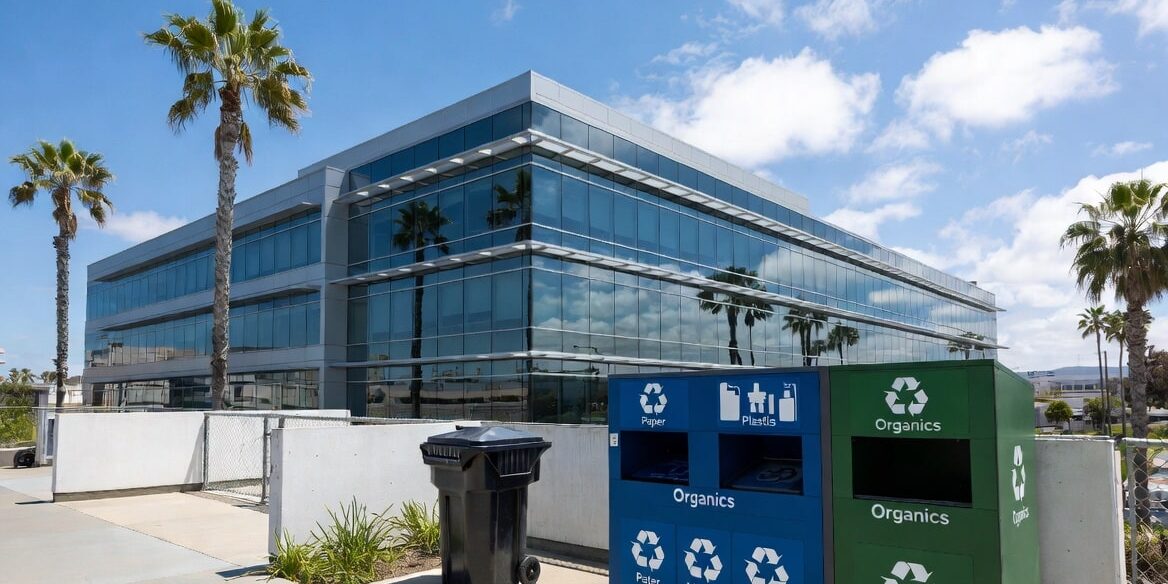
Waste management in office buildings is more than just tossing trash into bins—it’s a critical practice that impacts operational costs, environmental sustainability, regulatory compliance, and the overall health of the workplace. In Costa Mesa, located in the heart of Orange County, California, businesses face unique challenges and opportunities when it comes to handling waste. With its vibrant business community, proximity to the Pacific Ocean, and commitment to progressive environmental policies, Costa Mesa encourages office buildings to adopt responsible waste practices that align with both local ordinances and broader California sustainability goals.
Orange County as a whole has ambitious zero-waste targets, and Costa Mesa is no exception. The city participates in county-wide programs aimed at diverting waste from landfills through recycling, composting, and reduction initiatives. According to California state mandates, businesses must comply with laws like AB 1826 (Mandatory Organics Recycling) and SB 1383 (Short-Lived Climate Pollutants), which require commercial entities to separate organics from trash. Non-compliance can result in fines, making effective waste management not just an ethical choice but a legal necessity for office building managers, property owners, and tenants in Costa Mesa.
This comprehensive guide outlines the Top 10 Tips for Waste Management in Office Buildings in Costa Mesa, Orange County. Whether you’re managing a high-rise corporate office, a mid-sized professional services building, or a tech startup hub near the South Coast Metro area, these practical, actionable strategies will help you reduce waste, lower costs, boost employee engagement, and contribute to a cleaner, greener Costa Mesa. Each tip includes detailed explanations, implementation steps tailored to local conditions, potential challenges, and measurable benefits.
Tip 1: Conduct a Comprehensive Waste Audit
Before implementing any changes, start with a thorough waste audit. In Costa Mesa office buildings, this means analyzing the types and volumes of waste generated daily—from paper and plastics in cubicles to food scraps in break rooms and e-waste from IT departments.
Why it matters in Costa Mesa: Orange County’s waste haulers, such as those contracted through the County of Orange Integrated Waste Management Department, provide data on diversion rates. A waste audit helps identify that offices typically generate 40-60% recyclable or compostable materials, but without auditing, much of it ends up in landfills, increasing disposal fees which have risen due to California’s landfill diversion mandates.
How to implement:
- Schedule a professional audit through local firms like those partnered with Waste Management or Republic Services in Orange County.
- Involve employees by tracking waste for one week using labeled bins in common areas.
- Categorize waste into landfill trash, recyclables (paper, plastics, metals, glass), organics (food, yard waste if applicable), and special wastes (electronics, batteries, fluorescent bulbs).
- Use free tools from CalRecycle or Orange County resources to calculate your baseline diversion rate.
Challenges and solutions: Employees might resist tracking; counter this with incentives like team competitions. In Costa Mesa’s humid coastal climate, ensure audits account for faster decomposition of organics to prevent odors.
Benefits: Offices that conduct audits often achieve 20-30% immediate waste reduction and cost savings of up to 15% on hauling fees. Track progress quarterly to align with Costa Mesa’s reporting requirements if your building exceeds certain thresholds.
Tip 2: Implement a Robust Recycling Program with Clear Signage
Recycling is the cornerstone of any office waste management strategy. In Costa Mesa, single-stream recycling is widely available through local haulers, making it easier for tenants to participate without sorting complexities.
Local context: Costa Mesa’s recycling programs emphasize commingled recyclables, but contamination remains an issue. The city works with Orange County to promote “Recycle Right” campaigns, educating on what can and cannot be recycled (e.g., no plastic bags or Styrofoam in blue bins).
How to set it up:
- Place clearly labeled recycling bins next to every trash bin in offices, kitchens, copy rooms, and lobbies. Use color-coded systems: blue for recyclables, green for organics, black/gray for landfill.
- Install educational signage with visuals and lists of acceptable items, referencing Costa Mesa-specific guidelines from the city’s Public Works Department.
- Partner with building management to ensure haulers like EDCO or similar local providers collect recyclables efficiently.
- For multi-tenant buildings, create a shared recycling station on each floor.
Advanced steps: Introduce “wish-cycling” prevention by hosting monthly “What Goes Where?” workshops. Integrate with Costa Mesa’s commercial recycling mandates.
Expected outcomes: Proper recycling can divert 50% or more of office waste. In Orange County, successful programs have reduced landfill contributions significantly, earning recognition through local green business certifications.
Tip 3: Launch an Organics Composting Initiative
California’s SB 1383 requires businesses generating organic waste to recycle it, and Costa Mesa enforces this through its waste franchise agreements. Food waste from office pantries, cafeterias, and events is a prime target.
Why focus here: Organics make up a large portion of office waste and, when landfilled, produce methane—a potent greenhouse gas. Composting diverts this while creating nutrient-rich soil amendment.
Implementation in Costa Mesa:
- Subscribe to commercial composting services offered by Orange County haulers. Many provide green bins for food scraps, coffee grounds, and compostable utensils.
- Set up collection points in break rooms and near microwaves with leak-proof bins.
- For buildings with landscaping, explore on-site composting if space allows (check zoning with Costa Mesa Planning Division).
- Train staff on acceptable items: fruit peels, vegetables, bread, but no meat or dairy in basic programs (some advanced services accept all food).
Overcoming barriers: Odor and pest concerns in Costa Mesa’s mild climate can be mitigated with daily collections and absorbent materials like paper towels. Start small with pilot programs on one floor.
Measurable impact: Buildings complying with organics recycling often see diversion rates jump by 25-40%. This also helps avoid fines up to $500 per day under state law.
Tip 4: Reduce Paper Consumption Through Digital Transformation
Paper waste is one of the most visible and preventable streams in office buildings. Costa Mesa businesses, many in professional services or creative industries, can significantly cut this by going digital.
Strategies tailored to local offices:
- Adopt paperless policies: Use electronic signatures (tools like DocuSign), digital invoicing, and cloud storage.
- Install print management software that requires user authentication, tracks usage, and defaults to double-sided printing.
- Provide reusable notebooks or encourage note-taking apps.
- For Costa Mesa’s tech-savvy workforce near John Wayne Airport and tech corridors, integrate with existing hybrid work models.
Additional tips: Centralize printing to shared devices and audit printer locations. Partner with local recyclers for any remaining paper—Costa Mesa has excellent paper recycling markets.
Results: Many offices achieve 70-90% paper reduction, saving trees, costs (paper and toner), and storage space. This aligns with California’s broader climate goals.
Tip 5: Manage E-Waste and Hazardous Materials Responsibly
Offices generate electronics waste from outdated computers, printers, phones, and batteries. Costa Mesa follows strict California regulations for universal waste, including the Electronic Waste Recycling Act.
Best practices:
- Designate a collection area for e-waste and partner with certified recyclers like those approved by CalRecycle or local Orange County events.
- Schedule regular pickup days—Costa Mesa hosts household hazardous waste (HHW) events that sometimes extend to businesses.
- For batteries and bulbs, use specialized bins and services from vendors like Call2Recycle.
- Train IT departments on data destruction protocols before recycling.
Costa Mesa specifics: Avoid illegal dumping; the city has enforcement through its Code Enforcement team. Promote take-back programs from manufacturers.
Benefits: Proper e-waste management prevents toxic leaching into soil and water, protecting Costa Mesa’s coastal ecosystems. It also recovers valuable materials like gold and copper.
Tip 6: Educate and Engage Employees with Ongoing Programs
Employee buy-in is essential for successful waste management. In Costa Mesa’s diverse workforce, inclusive education fosters a culture of sustainability.
Effective methods:
- Conduct orientation sessions and annual refreshers on waste rules.
- Launch gamified challenges: “Zero Waste Week” with rewards like gift cards to local Costa Mesa spots (e.g., The Lab or South Coast Plaza area eateries).
- Use digital newsletters, posters, and intranet posts highlighting successes and local impacts (e.g., how diversion helps protect Newport Bay).
- Form a green team with representatives from different departments.
Local angle: Tie into Orange County’s environmental education resources or Costa Mesa’s community events like Earth Day celebrations.
Long-term gains: Engaged employees reduce contamination rates by 50% and sustain programs beyond initial enthusiasm, leading to higher overall diversion.
Tip 7: Optimize Vendor and Supply Chain Practices
Waste starts before it enters the building—through packaging from suppliers and catering.
Tips for Costa Mesa offices:
- Choose vendors who minimize packaging or use recyclable materials. Prefer local Orange County suppliers to reduce transport-related waste.
- Request bulk deliveries and reusable containers for coffee services or office supplies.
- For events and catering common in Costa Mesa business hubs, specify compostable or recyclable serveware.
- Audit contracts to include sustainability clauses.
Implementation: Work with building management to vet vendors. Track packaging waste separately during audits.
Advantages: This upstream approach can cut waste at the source by 30%, lowering downstream processing needs and supporting Costa Mesa’s circular economy goals.
Tip 8: Monitor, Measure, and Report Progress
Data-driven management ensures continuous improvement. Costa Mesa buildings benefit from transparent reporting.
How to do it:
- Use waste tracking software or simple spreadsheets to log monthly volumes and diversion percentages.
- Benchmark against Orange County averages or California state targets (aim for 75%+ diversion).
- Share reports with tenants and stakeholders—some Costa Mesa properties use this for LEED or Green Business certifications.
- Review hauler invoices for accurate billing based on actual waste.
Tools: Free CalRecycle calculators or paid platforms integrated with building systems.
Why it works: Regular monitoring reveals trends, like seasonal spikes during holidays, allowing proactive adjustments and compliance documentation.
Tip 9: Integrate Waste Management with Building Sustainability Features
Modern office buildings in Costa Mesa can leverage infrastructure for better waste handling.
Ideas:
- Install smart bins with fill-level sensors to optimize collection routes and reduce unnecessary pickups.
- Designate space for waste rooms with proper ventilation, especially important in Costa Mesa’s coastal humidity.
- Explore partnerships for on-site shredding or balers for high-volume recyclables.
- Align with green building standards like LEED, which emphasize waste diversion in certification points.
Local relevance: Costa Mesa encourages sustainable development through its General Plan updates, offering incentives for eco-friendly practices.
Outcomes: Integrated systems make waste management seamless, cutting labor costs and enhancing the building’s marketability to environmentally conscious tenants.
Tip 10: Stay Compliant with Local, County, and State Regulations While Planning for the Future
Costa Mesa operates under a franchise waste system, with specific rules for commercial generators. Stay ahead by understanding evolving laws.
Key regulations:
- AB 341: Mandatory commercial recycling.
- SB 1383: Organics recycling with edible food recovery preferences.
- Orange County ordinances on waste reduction and hauler requirements.
- Local Costa Mesa codes on illegal dumping and bin placement.
Proactive steps:
- Subscribe to updates from Costa Mesa Public Works and CalRecycle.
- Attend workshops offered by the Orange County Waste & Recycling division.
- Plan for future zero-waste goals by piloting advanced technologies like AI sorting or chemical recycling.
- Consider joining local sustainability networks or chambers of commerce in Costa Mesa for shared best practices.
Forward-thinking benefits: Compliance avoids penalties while positioning your office building as a leader in Orange County’s green movement. It can also attract talent and clients who value corporate responsibility, potentially increasing property values in competitive markets like Costa Mesa.
Conclusion: Building a Sustainable Future in Costa Mesa
Implementing these Top 10 Tips for Waste Management in Office Buildings in Costa Mesa, Orange County, requires commitment but delivers substantial returns. From cost savings and regulatory peace of mind to environmental protection and enhanced workplace culture, effective waste practices benefit everyone. Start with a waste audit and recycling program, then layer in organics, education, and compliance for compounding results.
Costa Mesa’s business community has the opportunity to lead by example, contributing to Orange County’s vision of a cleaner, more resilient region. Small changes in daily operations can lead to significant impacts—reduced landfill use, lower carbon emissions, and preserved natural beauty along the coast.
Encourage your building’s stakeholders to take action today. Track your progress, celebrate milestones, and share your success stories within the local network. Together, office buildings in Costa Mesa can turn waste management from a mundane task into a powerful driver of sustainability.
By following these detailed strategies, your office can achieve diversion rates exceeding 70-80%, significantly outperforming national averages for commercial buildings. The journey toward zero waste is ongoing, but with these tips, Costa Mesa offices are well-equipped to succeed.