

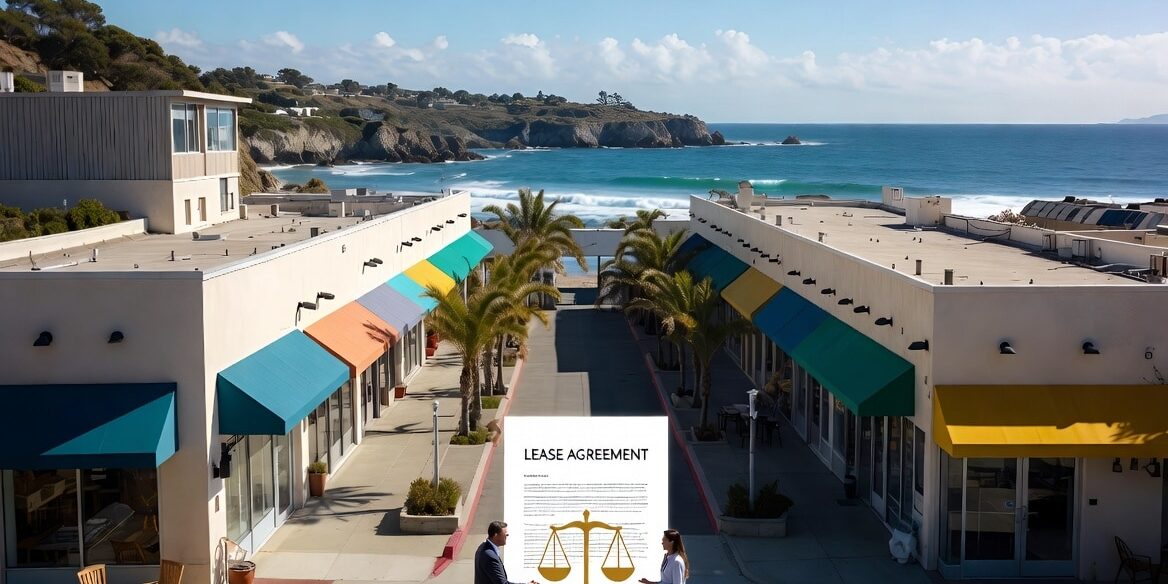
Strip malls in Laguna Beach, Orange County, California, represent vibrant hubs of local commerce, blending retail shops, restaurants, services, and small businesses that cater to both residents and tourists. These properties, often characterized by their neighborhood-scale operations in zones like C-N (Commercial-Neighborhood) or C-1 (Local Business District), involve complex tenant-landlord relationships governed by a mix of California state law, local ordinances, and specific lease agreements. Unlike residential tenancies, commercial leases in strip malls emphasize contractual freedom, assuming parties are sophisticated negotiators. However, recent laws like the Commercial Tenant Protection Act (SB 1103, effective 2025) introduce targeted safeguards for smaller tenants.
This comprehensive guide explores the key legal aspects of tenant relations in these settings, helping landlords, tenants, property managers, and investors navigate rights, obligations, disputes, and best practices in Laguna Beach’s unique coastal regulatory environment.
The Nature of Strip Mall Leases in Laguna Beach
Strip malls typically feature multiple smaller retail or service tenants sharing common areas, parking, and infrastructure. In Laguna Beach, zoning under Title 25 prioritizes resident-serving businesses, with strict rules on design, signage, parking, and environmental protections due to the city’s coastal location and emphasis on preserving views and character.
Commercial leases here are usually triple-net (NNN) or modified gross, where tenants pay base rent plus a pro-rata share of operating expenses (CAM – Common Area Maintenance), taxes, insurance, and utilities. Leases range from 3-10 years, often with renewal options, percentage rent clauses (for retail, based on sales), and detailed use restrictions.
Key lease elements include:
- Use Clauses: Specify permitted businesses (e.g., retail, restaurant) and prohibit competing uses to protect tenant mix.
- Exclusivity Provisions: Grant certain tenants rights to prevent similar businesses (e.g., no other coffee shops if one has exclusivity).
- Assignment and Subletting: Landlords often retain approval rights, with standards for reasonableness.
- Maintenance and Repairs: Landlords typically handle structural elements (roof, foundation), while tenants manage interiors, storefronts, and HVAC.
- Common Area Obligations: Tenants contribute to parking lot maintenance, landscaping, and shared utilities.
- Insurance Requirements: Tenants must carry liability and property insurance naming the landlord as additional insured.
- Relocation Clauses: Allow landlords to move tenants within the center for redevelopment, with compensation terms.
Laguna Beach’s coastal development rules and specific plans (e.g., Downtown Specific Plan) may impose additional tenant improvement (TI) standards or permitting requirements for alterations.
Landlord and Tenant Rights and Responsibilities
California commercial landlord-tenant law defaults to contract principles, with Civil Code sections governing aspects like habitability (less stringent than residential), entry rights, and remedies for breach.
Landlord Obligations:
- Deliver possession of the premises in the condition specified (often “as-is” for commercial).
- Maintain structural components unless the lease shifts this burden.
- Comply with zoning, building codes, and environmental regulations (e.g., ADA accessibility for public accommodations).
- Act reasonably in approving assignments, subleases, or alterations.
- Provide quiet enjoyment, avoiding interference with tenant operations.
Tenant Obligations:
- Pay rent and CAM charges timely.
- Operate the business continuously (to avoid “going dark” clauses).
- Maintain the premises and comply with use restrictions.
- Obtain necessary permits (e.g., health permits for restaurants from Orange County).
- Restore the space at lease end (removal of fixtures, repairs).
In strip malls, co-tenancy clauses are common—tenants may receive rent abatements if anchor stores or a certain occupancy percentage close. Percentage rent requires accurate sales reporting.
Recent Protections: California Commercial Tenant Protection Act (SB 1103)
Effective January 1, 2025, SB 1103 extends limited protections to “qualified commercial tenants” (QCTs): microenterprises (≤5 employees), restaurants (<10 employees), or nonprofits (<20 employees). Tenants must self-attest in writing.
Key provisions:
- Rent Increase Notices: 90 days for increases >10%; specific notice for month-to-month.
- Operating Costs: Restrictions on passing through certain fees or changing allocation methods mid-lease.
- Termination Notices: Enhanced requirements for ending tenancies.
- Documentation: Landlords must provide operating cost details upon request.
These apply to strip mall tenants in Laguna Beach qualifying as small businesses, shifting some burdens to landlords and promoting stability for mom-and-pop operations.
Eviction and Termination Processes
Commercial evictions in California are faster than residential, relying on Unlawful Detainer actions in Orange County Superior Court. No “just cause” is generally required unless the lease or SB 1103 specifies otherwise.
Common grounds:
- Non-payment of rent (3-day notice to pay or quit).
- Lease violations (3-day notice to perform or quit, or unconditional quit for severe breaches).
- Holdover after lease expiration (notice to quit).
- Other breaches, like unauthorized subletting or waste.
Process:
- Serve proper notice per the lease and Code of Civil Procedure.
- File an Unlawful Detainer complaint if unresolved.
- Court hearing (typically quick timeline: 5-8 weeks uncontested).
- Writ of possession and lockout if the tenant doesn’t vacate.
In Laguna Beach, local ordinances focus more on residential evictions (e.g., reporting requirements under Ordinance 1696), but commercial follows state rules. Landlords must avoid self-help evictions (e.g., changing locks), which can lead to tenant lawsuits for wrongful eviction.
Holdover tenants may face double rent or other penalties per the lease terms.
Common Disputes in Strip Mall Tenant Relations
Disputes frequently arise due to shared spaces and economic pressures:
- Rent and CAM Charges: Disputes over calculations, pass-throughs, or audits. Tenants may challenge unreasonable increases or undocumented expenses.
- Maintenance and Repairs: Who fixes what? Roof leaks affecting multiple tenants or parking lot issues often spark conflict. Leases should clearly delineate responsibilities.
- Exclusivity and Tenant Mix: A new competing business can devastate sales. Enforcement may involve damages, rent reduction, or termination rights.
- Alterations and TI: Tenants wanting build-outs face landlord approval, permitting delays in Laguna Beach, and restoration costs.
- Early Termination/Assignment: Business downturns lead to requests; landlords may demand recapture rights or fees.
- ADA and Accessibility: Strip malls must comply; violations can result in lawsuits against both landlord and tenant.
- Insurance and Liability: Claims from customer injuries in common areas.
- Economic Changes: Post-pandemic shifts, tourism fluctuations in Laguna Beach, or inflation affecting percentage rent.
Resolution often starts with negotiation or mediation, as litigation is costly. Many leases include arbitration clauses.
Dispute Resolution and Best Practices
Prevention:
- Negotiate clear, detailed leases with attorneys experienced in Orange County commercial real estate.
- Conduct thorough due diligence on tenant financials and business plans.
- Maintain open communication and regular property inspections.
- Document everything: notices, maintenance requests, and payments.
- Use professional property management for CAM reconciliations and compliance.
Resolution Options:
- Informal negotiation.
- Mediation through organizations like Fair Housing OC (though more residential-focused) or private mediators.
- Arbitration per lease.
- Litigation in Orange County courts.
For QCTs, SB 1103 encourages documentation and notice compliance to avoid penalties.
Landlords should stay updated on Laguna Beach zoning amendments, coastal commission influences, and state law changes. Tenants benefit from understanding leverage points during lease negotiations, such as requesting caps on CAM increases or strong co-tenancy protections.
Special Considerations in Laguna Beach and Orange County
Laguna Beach’s emphasis on aesthetics, tourism, and environmental protection adds layers. Commercial properties may require Design Review or Coastal Development Permits for significant changes. Business licenses are mandatory, and restaurants need Orange County health approvals.
Fair housing and anti-discrimination laws apply (e.g., no bias in tenant selection), though more relevant to residential. Economic development goals promote diverse retail, influencing tenant mix decisions.
In Orange County broadly, no countywide rent control for commercial, but local rules vary. Strip mall owners must navigate shared parking demands in a beach town with high visitor traffic.
Conclusion: Fostering Positive Tenant Relations
Successful strip mall operations in Laguna Beach hinge on balanced, transparent relationships. Landlords gain stable income and property value appreciation through reliable tenants, while tenants thrive in supportive environments with fair terms and well-maintained centers.
Both parties should consult qualified real estate attorneys familiar with California commercial law and local nuances. Proactive lease drafting, regular reviews, and mutual respect minimize conflicts and support the vibrant local economy.
As regulations evolve—with SB 1103 marking a shift toward small business protections—staying informed is crucial. Whether you’re a landlord optimizing a portfolio or a tenant securing space for your dream business, understanding these legal aspects empowers better decisions in Laguna Beach’s dynamic commercial landscape.
This overview provides general information and is not legal advice. Laws change, and specifics depend on individual leases and circumstances. Seek professional counsel for your situation.