

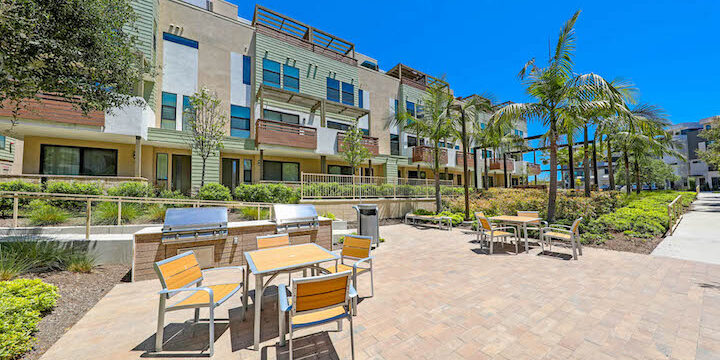
Westside Costa Mesa remains one of Orange County’s most appealing neighborhoods for condo living, offering a mix of urban convenience, proximity to beaches, and a laid-back yet evolving community atmosphere. Located on the western side of Costa Mesa, roughly bounded by the Santa Ana River to the east, Harbor Boulevard to the west, and areas around Victoria Street and Adams Avenue, Westside has transformed from its industrial past into a desirable residential spot. It’s close to attractions like Fairview Park, trendy spots along Placentia Avenue, and easy freeway access to Huntington Beach or Newport Beach.
For those considering condo ownership here, the condo associations (often called HOAs even for condos) play a central role. These groups manage shared spaces, enforce community standards, and handle finances that keep the property running smoothly. While some Westside areas feature single-family homes with minimal or no HOA restrictions, condo developments typically come with structured associations. Expect a focus on practical maintenance, reasonable fees, and rules that preserve the neighborhood’s character.
This guide explores what to anticipate from Westside Costa Mesa condo associations, covering governance, costs, rules, amenities, and tips for buyers or residents. Whether you’re new to condo ownership or relocating within Orange County, understanding these dynamics helps set realistic expectations.
The Neighborhood Context: Why Condos Thrive in Westside
Westside Costa Mesa appeals to a diverse crowd—young professionals drawn to its breweries and casual dining, families appreciating nearby parks and schools, and retirees seeking low-maintenance living near the coast. The area blends older mid-century builds with newer developments, creating a range of condo options from townhome-style units to mid-rise complexes.
Unlike some beach-adjacent neighborhoods with heavy HOA oversight in single-family zones, many Westside single-family tracts emphasize freedom from strict rules, allowing creative home upgrades. However, condo communities stand apart with dedicated associations to manage common elements like roofs, landscaping, and parking. This structure suits buyers who prefer not to handle exterior maintenance themselves while enjoying shared benefits.
The neighborhood’s evolution includes increased density in some pockets, supported by local zoning that encourages multi-family housing. This has led to more condo options without sacrificing the area’s approachable vibe.
Basics of Condo Associations in the Area
Condo associations in Westside Costa Mesa operate under California’s Davis-Stirling Common Interest Development Act, the main legal framework for such groups statewide. Owners collectively own the common areas (lobbies, pools, grounds, exteriors), while holding individual title to their units.
Key governing documents include:
- Covenants, Conditions, and Restrictions (CC&Rs) — The core rules outlining use, appearance, and restrictions.
- Bylaws — Details on elections, meetings, and operations.
- Rules and Regulations — Day-to-day policies on pets, parking, noise, etc.
Many associations hire professional management firms like The Management Trust, Spectrum Association Management, or Seabreeze to handle daily tasks, finances, and compliance. This professional approach is common in Costa Mesa, helping smaller or mid-sized complexes run efficiently without overburdening volunteer boards.
Governance and Board Structure
A typical Westside condo association features a board of directors elected by owners, usually serving staggered terms. Boards meet regularly—monthly or quarterly—to approve budgets, review maintenance needs, and address resident concerns. Owners receive notice of meetings and can attend, with opportunities to comment or vote on major decisions like special assessments or rule changes.
In smaller complexes (under 50 units), boards might be more informal, with owners directly involved. Larger ones, like some newer developments, use committees for specific areas such as landscaping or social events. Transparency varies, but state law requires financial disclosures, reserve studies, and meeting minutes availability.
Active participation pays off—many residents find joining the board or a committee helps shape decisions and resolve issues early.
Fees and Financial Responsibilities
HOA fees represent the highest ongoing cost in condo living. In Costa Mesa overall, average monthly dues hover around $340, though Westside condos can range from $200–$500+ depending on the complex. Fees typically cover:
- Common area maintenance (landscaping, pools, lighting, elevators if present).
- Master insurance policy for shared structures.
- Utilities for amenities.
- Reserve fund contributions for future major repairs.
- Management company fees.
Newer or amenity-rich complexes tend toward higher dues, while older ones might have lower base fees but occasional special assessments for deferred items like roof replacements. Always request the most recent reserve study and budget when considering a purchase—these reveal financial health and potential upcoming costs.
Healthy reserves minimize surprise assessments, which can range from a few hundred to thousands per unit for emergencies or planned projects.
Amenities and Maintenance Expectations
Shared amenities vary by complex but often include pools, spas, barbecue areas, picnic spots, storage, or fitness facilities in larger developments. Maintenance falls to the association, covering exteriors, roofs, landscaping, and shared systems. This arrangement frees owners from dealing with big-ticket items individually.
In Westside, associations prioritize functional upkeep that aligns with the neighborhood’s casual, outdoor-oriented lifestyle—think well-kept walkways, secure gates where applicable, and basic landscaping. Some complexes emphasize eco-friendly practices, like water-efficient irrigation, reflecting broader Orange County trends.
Regular inspections and preventive maintenance help avoid major disruptions, though older buildings may require more attention to plumbing, wiring, or seismic retrofits.
Rules and Community Standards
Expect clear guidelines to maintain harmony in close-quarters living. Common rules address:
- Pet policies (size/breed restrictions, or limits on numbers).
- Parking (assigned spots, guest limits, no street parking overnight).
- Noise and quiet hours.
- Modifications (approval needed for exterior changes, windows, doors).
- Rentals (some restrict short-term or require minimum lease terms).
Enforcement typically starts with warnings, then fines if violations persist. Good associations balance firmness with fairness, often mediating neighbor disputes before escalation.
Many Westside condos prohibit or limit short-term rentals to preserve a stable, residential feel—important in an area popular with locals rather than vacationers.
Pros and Cons of Westside Condo Living
Pros:
- Low personal maintenance burden—focus on enjoying the area rather than yard work or exterior repairs.
- Shared costs for insurance, amenities, and big repairs.
- Potential for community events or neighbor connections.
- Maintained aesthetics that support property values.
- Access to a coastal lifestyle without beachfront premiums.
Cons:
- Monthly fees add to housing costs.
- Rules can feel restrictive for those valuing full independence.
- Risk of special assessments if reserves are inadequate.
- Board decisions may not always align with every owner’s preferences.
- Potential for neighbor conflicts in denser settings.
Overall, if convenience and community appeal more than total autonomy, Westside condos offer strong value compared to renting or single-family options.
Notable Complexes and Associations
Several condo communities stand out in or near Westside Costa Mesa:
-
- Sea Bluffs — A smaller, established complex (around 17 units) with 2-bedroom layouts (1,315–1,615 sq ft). Features include spa/hot tub, picnic areas, trails, and barbecues. Managed professionally, with dues around $3 per sq ft monthly. Appeals to those seeking a quiet, beach-proximate setup.
- 17 West — A larger, modern association (135 units, built 2018) with professional management. Focuses on contemporary living in a central location.
- Maple Crossing — Features 16 units with larger 3-bedroom homes (1,655–1,905 sq ft). Includes barbecue areas and an emphasis on family-friendly elements.
Other mentions in the area include complexes like Back Bay Village, Bay View Terrace, or smaller groupings along streets like Placentia or Monrovia. Many fall under management by firms serving Costa Mesa broadly.
Practical Tips for Buyers and Owners
- Due Diligence — Request full governing documents, recent financials, reserve study, insurance certificate, and litigation history. Check for pending assessments or disputes.
- Attend a Meeting — If possible, observe a board session to gauge dynamics.
- Budget Realistically — Factor fees into affordability, plus potential increases or assessments.
- Engage Early — Once moved in, stay informed via newsletters or portals. Volunteer if interested—many boards welcome help.
- Work with Locals — Realtors familiar with Costa Mesa condos can provide insights on specific associations.
In summary, Westside Costa Mesa condo associations deliver structured, low-hassle living that complements the neighborhood’s vibrant, accessible feel. Fees and rules exist to protect shared investments, while amenities and maintenance enhance daily life. With thorough research and realistic expectations, condo ownership here can be rewarding—offering coastal proximity, community perks, and relative ease in one of Orange County’s most livable areas.


