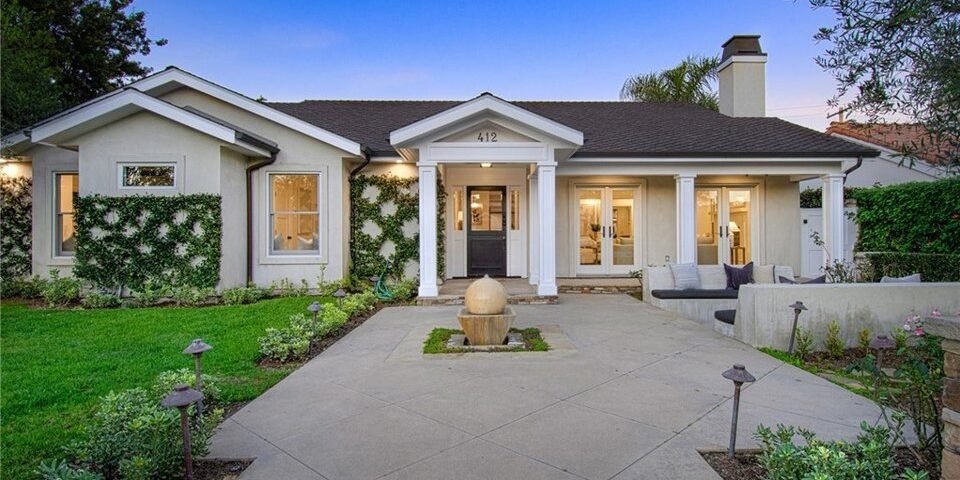
Nestled in the heart of Orange County, California, Westside Costa Mesa stands as a vibrant neighborhood blending suburban tranquility with urban accessibility. Known for its eclectic mix of shops, eateries, and cultural spots, this area also harbors a treasure trove of architectural history, particularly in its collection of Craftsman bungalows. These homes, with their timeless appeal, evoke an era of craftsmanship and simplicity that contrasts beautifully with the fast-paced modern world. If you’re a history buff, an architecture enthusiast, or simply someone who appreciates the warmth of a well-built home, the Craftsman bungalows of Westside Costa Mesa offer a captivating glimpse into early 20th-century American life. In this blog post, we’ll dive deep into their origins, features, notable examples, and the ongoing efforts to preserve them—exploring why they continue to enchant residents and visitors alike.
A Brief History of Westside Costa Mesa
To truly appreciate the Craftsman bungalows in this neighborhood, it’s essential to understand the historical backdrop of Westside Costa Mesa itself. The area’s roots trace back to indigenous peoples, specifically Native American tribes who settled along the banks of the Santa Ana River centuries ago. Archaeological findings suggest early settlements in what was once a fertile coastal tableland, ideal for hunting and gathering.
European influence arrived in the late 18th century with Spanish missionaries. In 1776, Mission San Juan Capistrano was established nearby, marking the region’s first European settlement. By the 19th century, the land fell under Rancho Santiago de Santa Ana. As California transitioned to American control in the mid-1800s, settlers began purchasing portions of the rancho. The 1880s saw the establishment of agricultural colonies in the area.
The turn of the 20th century brought significant development. Several large tracts were subdivided in the early 1900s, transforming the landscape from vast farmlands into residential plots. This attracted families drawn to the promise of affordable land and a mild climate. Crops like sweet potatoes, corn, tomatoes, strawberries, and apples flourished, solidifying Costa Mesa’s agricultural identity.
The name “Costa Mesa,” meaning “coastal tableland” in Spanish, was officially adopted in 1920. The interwar period saw modest growth, but World War II catalyzed change. The establishment of a major military air base in 1941 brought personnel and infrastructure, boosting the local population. Post-war, the area experienced a residential boom. Costa Mesa incorporated as a city in 1953, encompassing several square miles and a growing population. By the late 20th century, it had expanded significantly. This evolution from rural outpost to suburban hub set the stage for the preservation of its historic homes, including the beloved Craftsman bungalows that dotted the Westside.
The Rise of Craftsman Architecture
The Craftsman style emerged in the late 19th and early 20th centuries as part of the broader Arts and Crafts movement, which rebelled against the ornate excesses of Victorian architecture. Inspired by British reformers, the movement emphasized handmade quality, natural materials, and functional design. In America, it gained popularity through publications that promoted simple, honest living spaces.
Craftsman bungalows became especially prevalent in California, where the mild weather allowed for outdoor-oriented designs. From about 1905 to 1930, these homes proliferated in suburbs like Westside Costa Mesa, appealing to the growing middle class seeking affordable yet stylish housing. The style’s emphasis on harmony with nature resonated in agricultural communities, where residents valued practicality and connection to the land.
In Westside Costa Mesa, Craftsman bungalows arose during the subdivision era, built primarily in the 1910s and 1920s. They represented a shift toward democratic architecture—homes that were accessible, efficient, and beautiful without extravagance. Today, these structures stand as testaments to an era when craftsmanship was paramount, offering a counterpoint to the tract homes that dominated post-war development.
Iconic Features of Craftsman Bungalows
What makes a Craftsman bungalow instantly recognizable? It’s a symphony of thoughtful details that prioritize form following function. Typically one or one-and-a-half stories, these homes feature low-pitched gabled roofs with wide, overhanging eaves and exposed rafter tails. The overhangs provide shade and protection from the elements, a practical adaptation for California’s sunny climate.
A hallmark is the expansive front porch, often spanning the width of the house and supported by tapered square columns atop stone or brick piers. These porches serve as outdoor living rooms, fostering community interaction—a nod to the social ideals of the Arts and Crafts movement. Decorative brackets, knee braces, and battered walls (sloping inward at the base) add structural interest.
Exteriors often use natural materials like wood shingles, clapboard siding, or river rock, with earth-toned colors inspired by nature—browns, greens, and muted reds. Windows are typically double-hung with multiple panes in the upper sash, allowing ample natural light. Inside, open floor plans, built-in cabinetry, and hardwood floors emphasize efficiency and warmth. Fireplaces with inglenooks (seating nooks) and beamed ceilings further enhance the cozy, handcrafted feel.
In Westside Costa Mesa, these features are sometimes adapted to the local environment, with occasional Spanish influences like stucco accents reflecting the region’s Mediterranean heritage.
Notable Craftsman Bungalows in the Area
Westside Costa Mesa boasts several standout examples of Craftsman architecture, many of which have been lovingly restored. Homes on streets like Flower, Cabrillo, Costa Mesa Street, and Broadway feature classic low-pitched roofs, exposed beams, welcoming front porches framed by tapered columns, brick steps, and lush landscaping that complements their natural aesthetic.
Many of these properties feature shingle siding, stone-accented porch pillars, and details that highlight the simplicity prized in Craftsman design. Streets lined with clusters of these bungalows create cohesive historic pockets. These homes tell stories of early settlers who shaped the community and continue to draw admiration from passersby.
Preservation Efforts and Community Involvement
Preserving these historic treasures hasn’t been without challenges. As Costa Mesa grew, development pressures threatened many older homes. Fortunately, dedicated efforts have stepped in. The City of Costa Mesa maintains a historical ordinance that identifies significant properties and offers incentives for owners who maintain architectural integrity.
Local historical societies and community groups play a pivotal role, documenting homes, producing educational materials, and organizing awareness campaigns. Programs like tax-relief incentives encourage owners to restore and maintain these properties. Thanks to these initiatives, many Craftsman bungalows remain intact, contributing to the neighborhood’s unique character.
Living in a Craftsman Bungalow Today
What draws people to these homes in the present day? Beyond nostalgia, Craftsman bungalows offer practical benefits for modern living. Their efficient layouts suit smaller families or empty-nesters, with open spaces that feel airy despite modest square footage. Natural ventilation from large windows and porches aligns with sustainable trends.
Renovations often incorporate modern conveniences while preserving charm—think updated kitchens that respect original built-in cabinetry or energy-efficient improvements. The Westside’s proximity to beaches, parks, and local amenities enhances its appeal. Residents often describe a sense of community, with porches inviting neighborly chats. In a world of mass-produced housing, these bungalows provide authenticity and soul.
Conclusion
The Craftsman bungalows of Westside Costa Mesa are more than structures—they’re living narratives of innovation, community, and resilience. From their roots in the Arts and Crafts movement to their role in a burgeoning suburb, these homes encapsulate a bygone era while adapting to the present. Through dedicated preservation, they ensure future generations can experience their charm. Whether you’re strolling the streets or considering a purchase, take time to admire these gems. They remind us that true beauty lies in simplicity and craftsmanship.