
Yorba Linda, nestled in the northern reaches of Orange County, California, blends suburban charm with proximity to major transportation corridors, making it an attractive pocket for industrial real estate. While much of Orange County’s industrial activity concentrates in areas like Anaheim, Santa Ana, and the Airport District, Yorba Linda and the surrounding Placentia/Yorba Linda submarket offer unique opportunities. With a total inventory of around 4.8 million square feet in the submarket, vacancy rates have hovered in the 4-5% range in recent years amid broader softening in Orange County, where overall vacancy climbed toward 5-9% by late 2025 due to increased sublease space, slower leasing velocity, and economic caution.
Rents in Orange County industrial spaces remain premium—often in the $1.40-$1.70 NNN range per square foot—though concessions have become more common as landlords compete for tenants in a market with negative net absorption in some quarters. Limited new construction (adding less than 1% to inventory in parts of 2025) due to land scarcity and high redevelopment costs has shifted focus toward renovating existing stock. This creates fertile ground for creative renovations that align with 2025-2026 market trends: flexibility, automation readiness, sustainability, adaptive reuse, and tenant appeal through modern aesthetics and wellness features.
Renovating industrial warehouses in Yorba Linda isn’t just about patching roofs or updating HVAC—it’s about future-proofing assets to command higher rents, attract quality tenants in sectors like e-commerce, light manufacturing, tech logistics, and even creative/mixed-use operators, while capitalizing on the area’s stable suburban infrastructure and access to the 57 and 91 freeways. Below, we explore creative renovation ideas tailored to these trends, drawing on national and regional shifts toward smarter, greener, and more versatile industrial spaces.
1. Embracing Adaptive Reuse for Mixed-Use and Creative Spaces
One of the most transformative trends in industrial renovation is adaptive reuse—repurposing older warehouses for hybrid functions rather than pure storage or distribution. In Southern California, where land is scarce and communities value revitalization, converting portions of warehouses into creative offices, maker spaces, showrooms, or even live/work elements has gained traction. While full office-to-industrial or residential conversions dominate headlines elsewhere in Orange County (such as in Santa Ana or Costa Mesa), Yorba Linda’s warehouses can incorporate “flex” zones that blend industrial functionality with tenant-attracting amenities.
Creative ideas include:
- Partial loft conversions within the warehouse: Add mezzanines or elevated platforms using lightweight steel framing to create second-level office or collaboration spaces while preserving ground-floor clear heights (ideally 28-36+ feet for modern tenants). Exposed beams, brick accents (if present), and polished concrete floors retain industrial character, appealing to creative industries or tech firms seeking authentic aesthetics.
- Integration of retail or experiential elements: Dedicate street-facing sections to small showrooms, tasting rooms, or pop-up retail. This mirrors broader adaptive reuse successes in LA and OC, where historic factories became vibrant hubs. In Yorba Linda, this could serve local businesses or leverage proximity to residential areas for community-oriented uses.
- Co-living or workforce housing adjuncts: Though zoning matters, light adaptive reuse for short-term workforce accommodations or artist studios can differentiate properties, especially as housing pressures persist in California.
Benefits in the local market: With vacancy ticking up and leasing timelines extending beyond three months in parts of OC, renovated flex spaces can reduce downtime and support higher effective rents through premium “creative industrial” positioning. Adaptive reuse also sidesteps some new-build costs and regulatory hurdles, aligning with sustainability goals by minimizing demolition waste.
2. Designing for Automation and High-Density Operations
2026 warehouse trends heavily emphasize automation-ready designs. Tenants increasingly demand spaces that accommodate robotic picking, autonomous guided vehicles (AGVs), conveyor systems, and AI-driven inventory management. Older Yorba Linda warehouses, often built with lower clear heights or fixed layouts, benefit immensely from targeted renovations.
Key renovation ideas:
- Vertical space optimization: Install taller racking systems and mezzanines to utilize heights up to 36-40 feet. Reinforce floors and columns for heavier loads, and design column spacing (ideally 40-50 feet) to allow seamless robot navigation.
- Power and infrastructure upgrades: Retrofit electrical systems for high-capacity needs, including solar-ready rooftops, EV charging stations for fleets, and robust data infrastructure for IoT sensors and real-time tracking. LED lighting with smart controls and energy-efficient HVAC not only cut costs but meet tenant expectations for sustainability.
- Modular and flexible layouts: Use demountable walls, movable storage pods, and reconfigurable flooring to enable quick reconfiguration. This “plug-and-play” approach appeals to e-commerce and third-party logistics (3PL) operators facing fluctuating demand.
In Orange County’s context, where submarkets like Placentia/Yorba Linda show steady but not explosive absorption, automation-ready renovations can attract larger tenants seeking efficiency gains amid labor challenges. National forecasts for 2026 highlight warehouse robotics growing at double-digit CAGRs, making these upgrades a competitive edge.
3. Sustainable and Energy-Efficient Retrofits
Sustainability is no longer optional—it’s a market differentiator. Corporate tenants prioritize LEED, BREEAM, or equivalent certifications, energy savings, and decarbonization. Renovations in Yorba Linda can leverage California’s strict energy codes and incentives for green building.
Creative sustainable ideas:
- Building envelope improvements: Upgrade insulation, install high-performance windows or skylights for natural daylighting, and apply cool roofing to reduce heat gain in Southern California’s climate. This lowers HVAC loads significantly.
- Renewable integration and water management: Add rooftop solar arrays, battery storage, and EV infrastructure. Implement greywater recycling for landscaping or industrial processes, low-flow fixtures, and drought-resistant native plantings around the property.
- Material choices and circular economy: Use recycled-content steel, reclaimed wood, low-VOC paints, and sustainable flooring (e.g., polished concrete or recycled rubber). Incorporate self-healing or low-carbon concrete in any structural repairs.
- Indoor environmental quality: Enhance ventilation, add air filtration systems, and create wellness zones with biophilic elements like living walls or outdoor break areas. Better air quality and natural light boost worker productivity and tenant satisfaction.
These features can command rent premiums and appeal to ESG-focused investors. In a softening OC market with concessions becoming common, green certifications help properties stand out and future-proof against rising utility costs and regulations.
4. Aesthetic and Tenant Experience Enhancements
Gone are the days of purely utilitarian warehouses. Tenants want spaces with character that support employee retention and brand image. “Creative industrial aesthetics” are rising, blending raw elements with modern finishes.
Renovation inspirations:
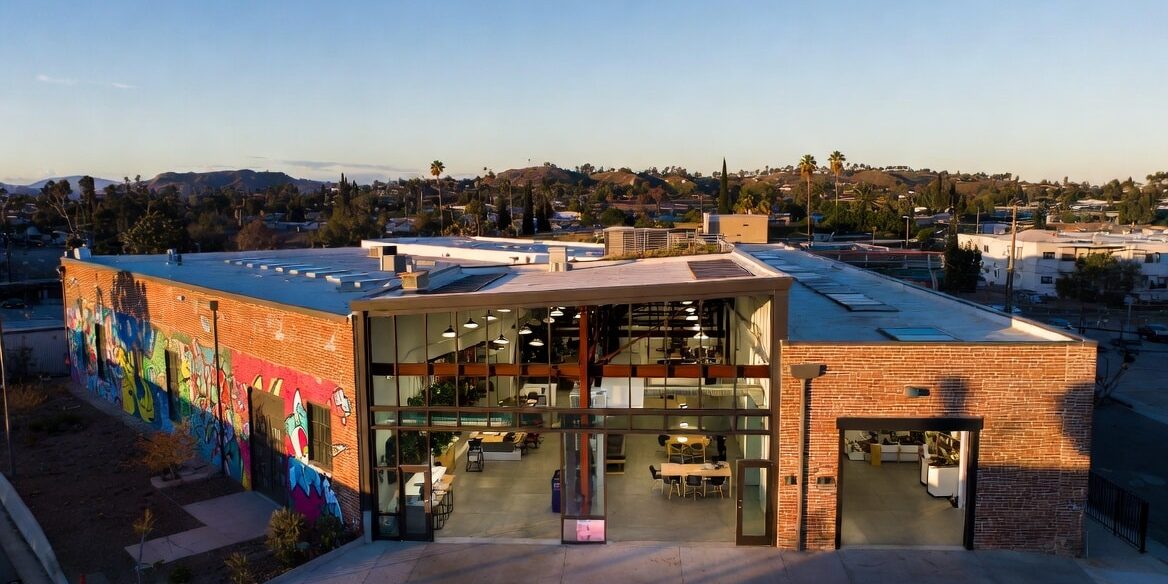
- Open, light-filled interiors: Expose ductwork, beams, and structural elements while painting them in clean, modern palettes. Add large garage doors or glass partitions for visual connectivity and natural light.
- Amenity-rich environments: Create on-site fitness rooms, collaborative lounges, or outdoor patios with seating. For larger warehouses, incorporate food service areas or micro-cafes.
- Branding opportunities: Custom murals, wayfinding with industrial flair, and flexible event spaces allow tenants to personalize without major alterations.
- Hybrid workplace integration: Even in industrial settings, add quiet pods, video conferencing nooks, or hot-desking areas for hybrid teams.
In Yorba Linda’s suburban setting, these upgrades can attract smaller businesses, startups, or light industrial users who value quality-of-life features alongside functionality.
5. Modular Construction and Smart Technology Integration
Modular and prefabricated elements speed up renovations while reducing disruption. Trends for 2026 include demountable interiors, prefab office pods, and concealed infrastructure for cleaner looks.
Incorporate:
- Smart building systems: AI-powered energy management, predictive maintenance via sensors, and augmented reality (AR) for training or operations.
- Resilient design: Reinforce for seismic standards (critical in California), improve stormwater management, and add backup power for reliability.
- Micro-warehouse concepts: Subdivide larger spaces into smaller, flexible units (500-5,000 sq ft) for entrepreneurs or specialized operators.
These align with broader modernization, where visibility, labor optimization, and data-driven decisions are priorities.
Market Context and Implementation Tips for Yorba Linda
Orange County’s industrial market in 2025-2026 reflects a shift from post-pandemic tightness to more balanced conditions, with vacancy rising due to new deliveries, subleases, and tempered demand from economic factors. Yorba Linda benefits from lower density than core submarkets, potentially offering more renovation flexibility and community support for revitalization projects. However, developers must navigate local zoning, environmental reviews, and parking requirements.
Practical steps for successful renovations:
- Conduct thorough due diligence on structural integrity, environmental conditions (e.g., soil, hazardous materials), and utility capacity.
- Partner with architects and contractors experienced in adaptive reuse and industrial retrofits.
- Budget for phased work to minimize tenant displacement where possible.
- Explore incentives: California’s adaptive reuse streamlining, energy rebates, or Mills Act-type benefits if historic elements apply.
- Target ROI through higher occupancy, reduced operating expenses (often 20-30% savings from efficiency upgrades), and premium leasing.
The Future Outlook
Creative renovations position Yorba Linda warehouses as resilient assets in a dynamic market. By blending industrial heritage with forward-looking features—automation infrastructure, sustainability, flexibility, and appealing aesthetics—property owners can not only weather softer leasing conditions but thrive as e-commerce, advanced manufacturing, and hybrid business models evolve.
As 2026 progresses, expect continued emphasis on resilient, intelligent, and eco-friendly spaces. Warehouses that undergo thoughtful renovation today will capture tenant demand tomorrow, contributing to Yorba Linda’s economic vitality while honoring its industrial roots. Whether you’re a developer, investor, or business owner, investing in these trends offers a pathway to long-term value in one of Southern California’s most strategically located regions.
This approach—rooted in data-driven design and market realities—transforms static structures into dynamic engines of productivity and innovation. With careful planning, Yorba Linda’s industrial stock can lead rather than follow the next wave of warehouse evolution.