

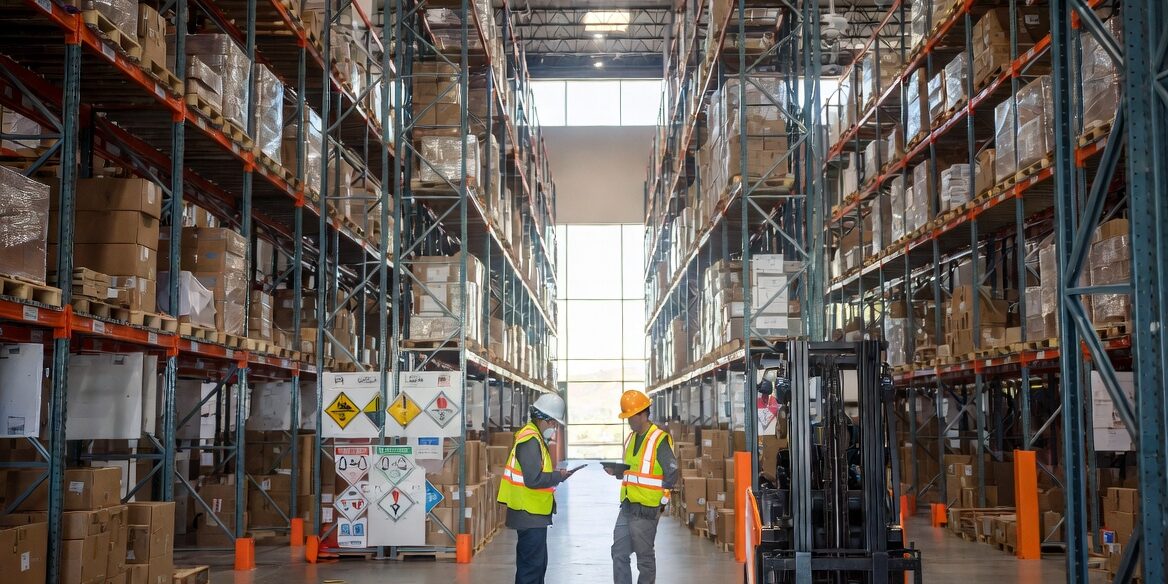
Warehouse and distribution centers serve as the backbone of modern supply chains, especially in a logistics hub like Irvine and the broader Orange County region in Southern California. With its strategic location near major ports, airports, and interstate highways such as I-5 and I-405, Irvine has become a hotspot for warehousing operations supporting e-commerce, manufacturing, and retail distribution. However, these facilities face unique challenges due to high operational density, seismic activity, wildfire risks from Santa Ana winds, traffic congestion, and stringent California regulations.
Effective risk management is not just about compliance—it minimizes injuries, protects inventory, reduces downtime, lowers insurance costs, and ensures business continuity. This comprehensive guide explores every aspect of risk management tailored to warehouses and distribution centers in Irvine and Orange County, drawing on best practices, regulatory requirements, and region-specific considerations. Whether you operate a small fulfillment center or a large-scale distribution hub, implementing these strategies can transform potential vulnerabilities into strengths.
Understanding the Risk Landscape in Irvine Warehouses
Warehouses in Irvine and Orange County operate in a dynamic environment. The area’s proximity to earthquake faults like the Newport-Inglewood and Whittier systems makes seismic events a primary concern. Wildfires, amplified by dry seasons and strong winds, can threaten facilities and disrupt access roads. Flooding from atmospheric rivers occasionally impacts low-lying areas, while dense truck traffic contributes to air pollution, noise complaints, and community pushback, leading to stricter local zoning and development standards.
Operational risks compound these natural threats. Forklift incidents, material handling injuries, slips and falls, ergonomic strains from repetitive tasks, and fire hazards from high-density storage or battery charging areas are common. In California, the transportation and warehousing sector often reports higher injury rates than the national average, with musculoskeletal disorders (MSDs), overexertion, and machinery-related accidents topping the list.
Regulatory oversight comes primarily from Cal/OSHA, which enforces standards more stringent than federal OSHA in many cases. Key requirements include a robust Injury and Illness Prevention Program (IIPP) under Title 8, Section 3203, proper powered industrial truck (PIT) training, hazard communication for chemicals, and indoor heat illness prevention when temperatures or heat indices reach certain thresholds. Dual-employer situations with staffing agencies add complexity, requiring coordinated safety programs.
Financial and supply chain risks include inventory damage from improper storage, theft, cyber disruptions to warehouse management systems (WMS), and broader issues like tariff changes or geopolitical tensions affecting 2026 supply chains. Climate-driven events and labor shortages further heighten exposure.
A thorough risk assessment forms the foundation. Begin by mapping your facility’s layout, processes, and external factors. Identify hazards through walkthroughs, employee input, and data from past incidents. Evaluate likelihood and severity using a risk matrix (e.g., low/medium/high). Prioritize high-impact areas like loading docks, racking systems, and high-traffic zones.
Key Categories of Risks and Mitigation Strategies
1. Safety and Health Risks for Workers
Worker safety is paramount, as injuries lead to lost productivity, workers’ compensation claims, and potential Cal/OSHA citations.
- Slips, Trips, and Falls: Cluttered aisles, spills, uneven floors, or poor lighting cause many incidents. Mitigation includes immediate spill cleanup, clear walkways with marked pedestrian lanes separate from equipment paths, anti-fatigue mats, and adequate illumination. Regular housekeeping schedules and non-slip flooring in high-risk areas help.
- Ergonomic and Musculoskeletal Disorders (MSDs): Repetitive lifting, awkward postures, pushing/pulling heavy loads, and prolonged standing contribute to back strains, carpal tunnel, and tendonitis. Solutions involve engineering controls like adjustable workstations, lift assists, conveyor systems, and pallet raisers to keep loads between knee and chest height. Administrative measures include job rotation, work/rest cycles, and limiting case weights where possible (e.g., under 35 pounds for frequent handling). Provide training on proper lifting techniques and anti-fatigue measures.
- Powered Industrial Trucks (Forklifts and PITs): These account for a significant portion of serious accidents, including collisions, tip-overs, and pedestrian strikes. Cal/OSHA requires operator training and certification specific to the equipment type, with refresher courses. Best practices include maintaining clear visibility (use cameras or spotters for reverse travel), shorter loads for forward driving, routine vehicle maintenance to reduce vibration, and dock levelers to prevent “dock shock.” Separate pedestrian and vehicle traffic with barriers, bollards, and signage. In battery-charging areas, ensure proper ventilation, eyewash stations, and PPE to prevent chemical burns or fires.
- Heat Illness Prevention: Indoor warehouses can exceed safe temperatures, especially in unconditioned spaces or trailers. When heat index reaches 82°F, provide water, cool-down breaks, shade or air-conditioned rest areas, and acclimatization protocols. Engineering controls like ventilation or air conditioning are mandatory above 87°F or in high-radiant heat zones. Outdoor workers follow similar rules under Section 3395.
- Falling Objects and Racking Hazards: Overloaded or damaged racks can collapse. Anchor racking securely to floors, display clear load capacity labels, and conduct regular inspections for bent beams or missing components. Store heavier items lower and secure elevated goods. Use wire mesh or netting where appropriate.
- Machinery and Conveyor Safeguards: Guard moving parts on conveyors, stretch wrappers, and other equipment per OSHA 1910.212. Install emergency stops and lockout/tagout procedures for maintenance.
Implement a comprehensive PPE program: safety shoes, gloves, hard hats, eye protection, and high-visibility vests as needed. Conduct regular safety audits and encourage near-miss reporting without fear of reprisal.
2. Fire and Emergency Risks
Warehouses store combustible materials, increasing fire potential from electrical faults, flammable liquids, or overloaded circuits.
Mitigation includes installing ceiling and in-rack sprinklers, using heat-resistant construction materials, and maintaining clear defensible spaces around the building. Segregate flammable storage in cabinets or separate areas with enhanced suppression systems. Develop and drill emergency action plans, including evacuation routes, assembly points, and coordination with local fire departments.
For seismic risks in Orange County, secure shelving and equipment to prevent toppling during earthquakes. Backup generators ensure continuity during power outages. Include wildfire preparedness, such as vegetation management and defensible space per local ordinances.
Portable fire extinguishers must be properly placed, inspected, and employees trained in their use. For facilities handling hazardous chemicals above certain thresholds, comply with EPA Risk Management Program (RMP) requirements if applicable.
3. Operational and Process Risks
Disruptions from equipment failure, inventory inaccuracies, or inefficient layouts can halt operations.
Adopt preventive maintenance programs with predictive analytics using sensors and IoT for early detection of issues in forklifts, conveyors, or HVAC systems. Implement robust Warehouse Management Systems (WMS) for real-time inventory tracking, reducing errors in picking and shipping.
Optimize layout for flow: minimize travel distances, use slotting to place high-velocity items at ergonomic heights, and automate data collection where possible. Vendor compliance programs ensure incoming goods meet standards, reducing rework.
For supply chain resilience in 2026, diversify suppliers, maintain buffer inventory strategically, and model scenarios for disruptions like tariffs or logistics volatility. Nearshoring or regional sourcing can reduce transportation risks.
4. Security and Theft Risks
High-value goods attract theft, both internal and external.
Use access control systems, CCTV coverage (especially in open racking areas), and inventory controls like RFID for high-dollar items. Secure loading docks and implement load verification processes. Background checks for employees and contractors, plus clear policies on workplace violence (required under Labor Code 6401.9), enhance overall security.
5. Environmental and Regulatory Compliance Risks
California’s focus on sustainability and pollution control affects warehouses. Truck traffic and idling contribute to air quality concerns, prompting Irvine’s efforts to regulate large facilities near residential areas through enhanced standards for design, truck routes, and compatibility.
Comply with hazard communication (HazCom), proper storage of hazardous materials, and reporting of serious injuries to Cal/OSHA. Maintain records for repetitive motion injury prevention under Section 5110 and COVID/infectious disease controls if relevant.
Conduct environmental risk assessments for hazardous material sites and ensure proper permitting for air tanks or other equipment.
6. Financial and Cyber Risks
Insurance costs rise with poor safety records. Cyberattacks on WMS or connected systems can paralyze operations. Invest in cybersecurity measures, data backups, and business continuity plans. Risk transfer through appropriate insurance coverage complements mitigation efforts.
Implementing a Robust Risk Management Framework
Follow these steps for an effective program:
- Develop and Maintain an IIPP: This cornerstone document outlines responsibilities, hazard identification, investigation procedures, training, and correction of unsafe conditions. Update it regularly and communicate to all employees, including temps.
- Conduct Regular Risk Assessments and Audits: Use checklists for walkthroughs. Involve cross-functional teams. Document findings and track corrective actions.
- Employee Training and Engagement: Provide initial and ongoing training on specific hazards, equipment operation, and emergency procedures. Certifications for forklift operators are mandatory. Foster a safety culture where employees report issues proactively. Job-specific training reduces errors.
- Technology Integration: Leverage automation for repetitive tasks, AI for risk monitoring and predictive maintenance, and real-time dashboards for visibility. RFID, sensors, and WMS enhance accuracy and safety.
- Emergency Preparedness and Business Continuity: Create detailed plans for fires, earthquakes, floods, power outages, and active threats. Test them through drills. Identify critical suppliers and alternate routes.
- Continuous Improvement: Analyze incident data, near-misses, and key performance indicators (e.g., injury rates, downtime). Benchmark against industry standards and adjust strategies. Partner with industrial service providers for specialized maintenance or training.
- Leadership Commitment: Management must model safe behaviors, allocate resources, and integrate risk management into decision-making, including facility design and expansion.
In Irvine specifically, monitor local developments. City leaders have discussed balancing warehouse growth with residential impacts, potentially introducing standards for truck bays, aesthetics, and noise mitigation. Engage with community stakeholders and stay informed via the City of Irvine planning department.
Benefits of Proactive Risk Management
A strong program reduces injury rates, potentially lowering workers’ comp premiums by demonstrating due diligence. It boosts productivity through fewer disruptions, improves employee morale and retention, and enhances reputation with clients and regulators. In a competitive Orange County market, resilient operations provide a strategic edge amid 2026 uncertainties like economic volatility and climate events.
For example, facilities with comprehensive sprinkler systems, regular rack inspections, and ergonomic improvements report fewer claims and faster recovery from incidents. Automation and data-driven insights further cut costs while elevating safety.
Conclusion: Building Resilience for Long-Term Success
Risk management in Irvine and Orange County warehouses demands a holistic, proactive approach tailored to local hazards and California’s rigorous standards. By prioritizing worker safety, fire prevention, operational efficiency, security, and compliance, operators can safeguard people, assets, and the bottom line.
Start today: Review your current IIPP, schedule a facility-wide risk assessment, and invest in training and technology. Consult Cal/OSHA resources, local fire authorities, and industry experts for customized advice. In an era of evolving supply chain challenges, warehouses that master risk management not only survive but thrive as reliable links in the global economy.
This guide provides a foundational overview—adapt it to your specific operations and seek professional consultation for complex implementations. Safe and efficient warehousing in Irvine contributes to a stronger Orange County logistics ecosystem.