The Impact of Tenant Relations in Shopping Centers in Tustin, Orange County

Tustin, California, sits at the heart of Orange County’s vibrant retail landscape, home to major shopping destinations like The District at Tustin Legacy and The Market Place (spanning Tustin and neighboring Irvine). These open-air lifestyle centers attract thousands of shoppers daily with their mix of anchors such as Costco, Target, Whole Foods Market, REI, Nordstrom…

Details

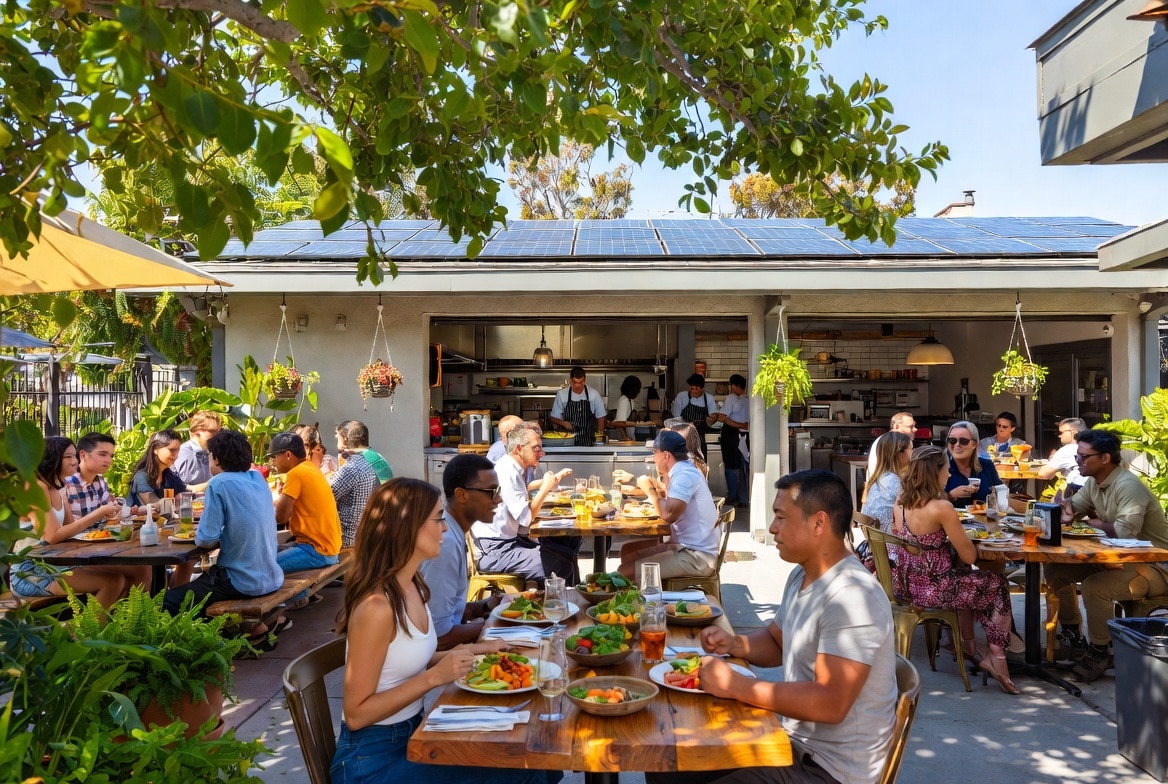
The Impact of Sustainability Practices in Restaurants and Food Services in Brea, Orange County

In the heart of Orange County, California, the city of Brea stands as a vibrant suburban hub known for its bustling downtown, shopping centers like Brea Mall, and a diverse food scene that caters to families, professionals, and visitors alike. With a population of around 45,000, Brea’s restaurants and food service establishments—from casual chains along…

Details

The Impact of Sustainability Practices in Flex Spaces in Santa Ana, Orange County

In the heart of Orange County, California, Santa Ana stands as a dynamic hub blending rich cultural heritage, entrepreneurial energy, and a growing commitment to environmental stewardship. As hybrid and remote work models continue to reshape the modern workplace, flexible spaces—including coworking environments, shared offices, and on-demand workspaces—have surged in popularity. These flex spaces offer…

Details

The Coworking Anchor: Is Ultra-High-Density Shared Space a Risk or a Reward for Your Building?

In the highly reactive, trend-obsessed arena of commercial real estate syndication, the amateur landlord views securing a massive “Coworking” anchor tenant as the ultimate victory. They stare at a sprawling, 30,000-square-foot vacancy in their mid-rise office building, panic over the carrying costs, and immediately sign a 10-year lease with a national flexible-workspace operator. They celebrate…

Details

The Glass Curtain Wall Liability: Underwriting the HVAC Costs of High-Rise Irvine Office Towers

In the highly reactive, aesthetically driven arena of commercial real estate syndication, the amateur investor is perpetually seduced by the skyline. They drive through the apex corporate grids of Southern California, stare up at a towering, 20-story monolithic structure wrapped entirely in floor-to-ceiling glass, and view it as the ultimate symbol of institutional prestige. They…

Details

LEED Certification and Asset Value: Does “Green” Real Estate Actually Drive Higher Long-Term Rents?

In the highly reactive, emotionally driven arena of commercial real estate, the amateur investor fundamentally misunderstands the concept of sustainability. They look at a LEED (Leadership in Energy and Environmental Design) Certified plaque in the lobby of a mid-rise office building, assume it is merely an expensive public relations stunt designed to save the planet,…

Details

The Executive Suite Monopoly: Why Small-Footprint Offices Out-Perform Massive Corporate Floors

In the highly reactive, ego-driven arena of commercial office syndication, the amateur landlord is obsessed with the “whale.” They acquire a mid-rise office building, aggressively court a single Fortune 500 company to lease the entire 15,000-square-foot top floor, and celebrate the perceived stability of a single, massive corporate tenant. They view managing one large lease…

Details

Tenant Improvement (TI) Allowance Warfare: Mathematically Calculating Landlord Contribution Ceilings

In the highly reactive, emotionally driven arena of commercial leasing, the amateur landlord views the Tenant Improvement (TI) Allowance as a simple “cost of doing business.” They secure a letter of intent from a corporate tenant, stare at the demand for a massive six-figure TI check to fund the tenant’s custom build-out, and blindly sign…

Details

The “Sublease” Tsunami: How to Navigate Shadow Office Inventory During Corporate Contractions

In the highly reactive, spreadsheet-driven arena of commercial real estate, the amateur investor misreads the macroeconomic health of the office sector by staring at a single, flawed metric: the Direct Vacancy Rate. They look at a sprawling mid-rise office portfolio, see a direct vacancy rate of 8%, and assume the asset is functionally stabilized. They…

Details