
The Death of the Class B Office: Why Only “Amenity-Rich” Assets Survive Shifting Workplace Trends

In the highly reactive, headline-driven arena of commercial real estate, the amateur investor misreads the macroeconomic data surrounding the “Return to Office” (RTO) mandate. They look at the rising physical occupancy rates, scour the market for heavily discounted, 1990s-era mid-rise office buildings, and confidently acquire a Class B asset at a compressed price-per-square-foot. They run…

Details

The Impact of Signage and Branding in Shopping Centers in Lake Forest, Orange County

Lake Forest, California, nestled in the heart of Orange County, stands as a thriving suburban community with a population of approximately 87,000 residents. Known for its family-oriented lifestyle, excellent schools, and convenient access to major employment hubs like Irvine and Newport Beach, the city boasts a median household income exceeding $130,000. This affluent, diverse demographic—featuring…

Details

The Impact of Risk Management in Restaurants and Food Services in Newport Beach, Orange County

Stands as a critical factor shaping the success, sustainability, and resilience of one of Southern California’s most vibrant dining destinations. Newport Beach, with its upscale waterfront vibe, luxury marinas, and affluent clientele, hosts approximately 450 restaurants and food service establishments, many clustered around Balboa Peninsula, Fashion Island, and the harbor area. These venues range from…

Details

The Impact of Risk Management in Strip Malls in Fullerton, Orange County

Strip malls, also known as shopping centers or retail plazas, form the backbone of suburban commercial landscapes across the United States. In Fullerton, California—a vibrant city in Orange County with a population exceeding 140,000—these properties serve as convenient hubs for daily shopping, dining, services, and essential retail needs. Fullerton’s strip malls range from neighborhood plazas…

Details

The Impact of Risk Management in Warehouse and Distribution Centers in Mission Viejo, Orange County

Mission Viejo, a vibrant master-planned community in the heart of Orange County, California, has evolved into a strategic hub for logistics and supply chain operations. Nestled between major transportation corridors like the Interstate 5 (I-5) and the bustling ports of Los Angeles and Long Beach, Mission Viejo and its surrounding areas benefit from proximity to…

Details

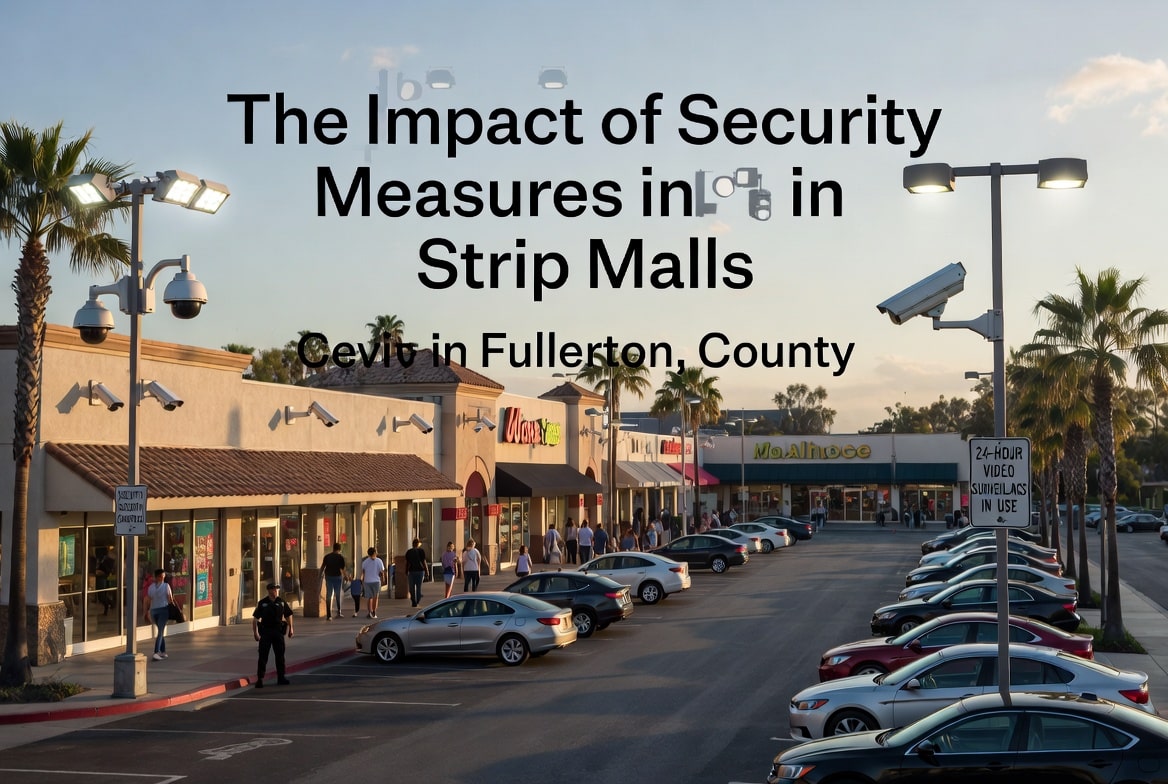
The Impact of Security Measures in Strip Malls in Fullerton, Orange County

Strip malls are the unsung heroes of suburban American commerce. In Fullerton, Orange County, these clusters of retail stores, restaurants, and service businesses serve as daily hubs for residents seeking convenience, affordability, and community interaction. From the bustling plazas along Harbor Boulevard to the quieter centers near Chapman Avenue and Euclid Street, Fullerton’s strip malls…

Details

The Impact of Risk Management in Medical Offices in Fullerton, Orange County

In the bustling healthcare landscape of Fullerton, Orange County, California, medical offices face a unique set of challenges that demand robust risk management strategies. From handling patient data under strict HIPAA regulations to navigating the complexities of malpractice claims and operational disruptions, effective risk management is not just a best practice—it is a critical lifeline…

Details

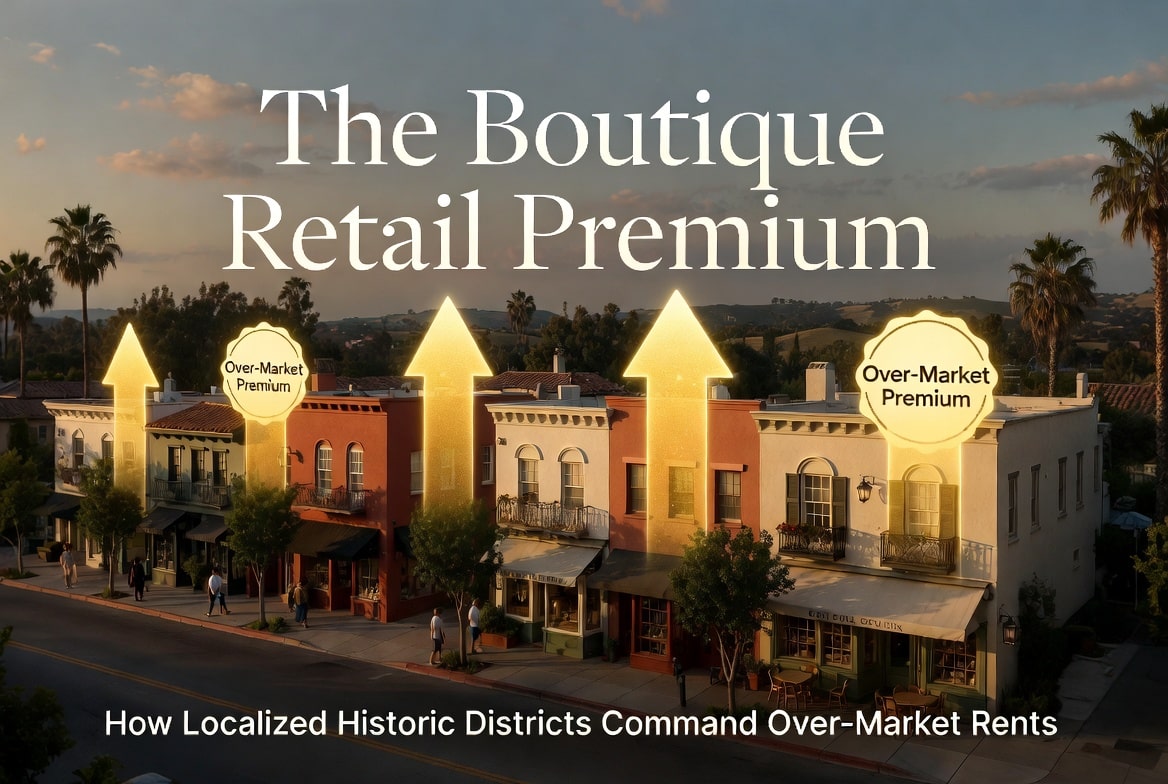
The Boutique Retail Premium: How Localized Historic Districts Command Over-Market Rents

In the highly reactive, mathematically sluggish arena of traditional retail investment, the amateur syndicator views a 100-year-old brick-and-mortar building as a catastrophic liability. They look at the unreinforced masonry, the aging cast-iron plumbing, and the strict municipal preservation codes, and they immediately sprint in the opposite direction. They retreat to the perceived safety of a…

Details

Retail-to-Residential Conversions: Navigating California’s “Mixed-Use” zoning mandates.

In the highly reactive, aesthetically driven arena of commercial real estate, the amateur investor views an aging, half-vacant retail strip center as a terminal liability. They look at the dark big-box store, run a localized demographic report, and attempt to mathematically justify a desperate retail leasing campaign. They assume that because the dirt is zoned…

Details

Radius Restrictions: Legally Protecting Your Retail Asset From Tenant Self-Cannibalization

In the highly reactive, yield-starved arena of commercial retail syndication, the amateur investor views securing a massive, high-performing corporate tenant as the ultimate finish line. They execute a 10-year lease with a hyper-successful coffee franchise or a boutique fitness studio, watch the gross sales explode in the first year, and assume their Net Operating Income…

Details