

In the highly competitive Orange County commercial real estate market, landlords frequently spend hundreds of thousands of dollars upgrading their building’s aesthetics. They install sleek glass facades in Irvine, remodel the lobbies of their Newport Beach office towers, and repave the massive parking lots of their Anaheim industrial parks.
Yet, when it comes time to grant a multi-million-dollar corporate tenant access to the building, they hand them a $3 piece of cut brass.
The physical master key is the most archaic, dangerous, and mismanaged operational tool in commercial real estate. If you are still relying on traditional lock-and-key systems to secure your asset, you have zero control over who is entering your building, and more importantly, you have zero legal proof of who wasn’t there when a liability event occurs.
To operate an asset at the institutional level, you must digitize the perimeter. Here is the definitive guide to understanding the liability of the physical key, the operational ROI of cloud-based access control, and how to permanently secure your Orange County portfolio.
1. The Nightmare of the “Rogue Copy”
The fundamental flaw of a physical key is that it can be infinitely duplicated without the landlord’s knowledge or consent.
When you lease a 5,000-square-foot suite in your Costa Mesa retail center, you might hand the business owner three keys. Over the course of a 10-year lease, that owner will give keys to their night managers, their cleaning crews, and their early-morning delivery vendors. Those individuals will inevitably run to the local hardware store and cut duplicate copies for their own convenience.
-
The Security Breach: When that tenant eventually vacates, they hand you back the original three keys. What about the other 15 rogue copies floating around Orange County? You have absolutely no idea who is holding them.
-
The CapEx Bleed: The only way to re-secure the building is to call a commercial locksmith and physically re-core the cylinders on the exterior doors—an expensive, time-consuming Capital Expenditure (CapEx) that amateur landlords frequently skip to save money, thereby leaving the new incoming tenant completely exposed to a massive security breach.
2. The Power of Cloud-Based Access Control
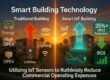
Elite property managers completely eliminate the locksmith from the equation by deploying Cloud-Based Access Control Systems (such as Brivo, Openpath, or Kisi).
We replace the mechanical locks on the main ingress/egress points of your Huntington Beach building with encrypted smart readers and electronic door strikes.
Instead of brass keys, tenants are issued digital credentials.
-
Mobile Access: Tenants unlock the doors using an encrypted Bluetooth signal from their smartphone.
-
Smart Fobs: Physical, highly encrypted key fobs that cannot be duplicated at a local hardware store.
The Operational Advantage: Overseeing a portfolio of over 350 rental properties has taught us that managing physical hardware is a losing battle. With a cloud-based system, the entire security perimeter is managed remotely from a single digital dashboard. If a tenant in San Clemente terminates a disgruntled employee at 2:00 PM, we do not need to drive to the property to change the locks. With one click on our administrative portal, that specific employee’s mobile credential is permanently revoked in milliseconds. The building is instantly secure.
3. Managing the “Vendor Friction”
A commercial building is a living, breathing ecosystem that requires constant maintenance. HVAC technicians, fire-suppression inspectors, and janitorial crews need regular access to your Fullerton or Brea property, often after hours.
-
The Analog Trap: Issuing a physical “Vendor Master Key” is a recipe for disaster. If the vendor loses it, your entire building is compromised. If you force the vendor to meet a property manager on-site to be let in, you are paying hundreds of dollars in unnecessary hourly management fees just to babysit a door.
-
The Digital Solution: Cloud-based access allows the landlord to issue Time-Restricted Digital Passes. If the HVAC contractor is scheduled to perform preventative maintenance on Saturday between 8:00 AM and 12:00 PM, we email them a temporary mobile credential. At exactly 12:01 PM, that digital key deletes itself. The vendor gets in, the job gets done, and the landlord maintains absolute, frictionless security.
4. The Digital Audit Trail (Your Ultimate Liability Shield)
In California commercial real estate, liability is your greatest financial enemy. If a theft, a fire, or a violent altercation occurs in your Orange office building after hours, the police and the insurance investigators will demand to know exactly who was in the building.
If you use physical keys, you have no answers. You are legally exposed to negligence lawsuits from your tenants.
The Forensic Shield: A cloud-based access control system acts as a flawless, indisputable digital ledger. Every single time a door is unlocked, the system logs the exact time, the specific door, and the precise credential used.
If a tenant claims their suite was burglarized over the weekend, we pull the digital audit trail. We can definitively prove to the authorities exactly which credentials entered the building and at what time. This data completely shields the landlord from claims of “inadequate security” and forces the liability back onto the specific individual who compromised the perimeter.
5. Monetizing the Upgrade
Upgrading an aging asset to cloud-based access control requires an initial CapEx investment, but institutional landlords do not view security as a sunk cost; they view it as a monetizable amenity.
High-credit corporate tenants—especially medical clinics in Mission Viejo or defense contractors in Lake Forest—are legally mandated to maintain strict, auditable security perimeters. When you tour a prospective corporate tenant through your building and demonstrate that they can integrate your cloud-based door readers directly into their own corporate HR software, you elevate the perceived value of the asset.
This enterprise-grade infrastructure allows the landlord to command a higher price-per-square-foot, rapidly amortizing the cost of the hardware installation and permanently compressing the capitalization rate of the property.
Conclusion: Digitize the Perimeter
In the modern commercial landscape, a building secured by brass keys is a building waiting to be compromised. Relying on an analog security system exposes your asset to rogue key duplication, exorbitant locksmith fees, and catastrophic liability blind spots.
Institutional asset management requires absolute, real-time control over the physical property.
Over our 14 years operating in the Southern California market, we have relentlessly modernized our operational infrastructure. At L3 Real Estate, we oversee the integration of enterprise-grade PropTech to eliminate the friction of tenant turnover, seamlessly manage after-hours vendor access, and construct an impenetrable digital audit trail. We upgrade your building’s intelligence so you can effortlessly protect your Net Operating Income.
Are you currently dealing with missing master keys, or are you looking to upgrade an aging commercial asset to attract premium corporate tenants? Contact our expert team today to discover how our specialized Tustin property management and San Juan Capistrano commercial strategies can definitively secure your portfolio.